




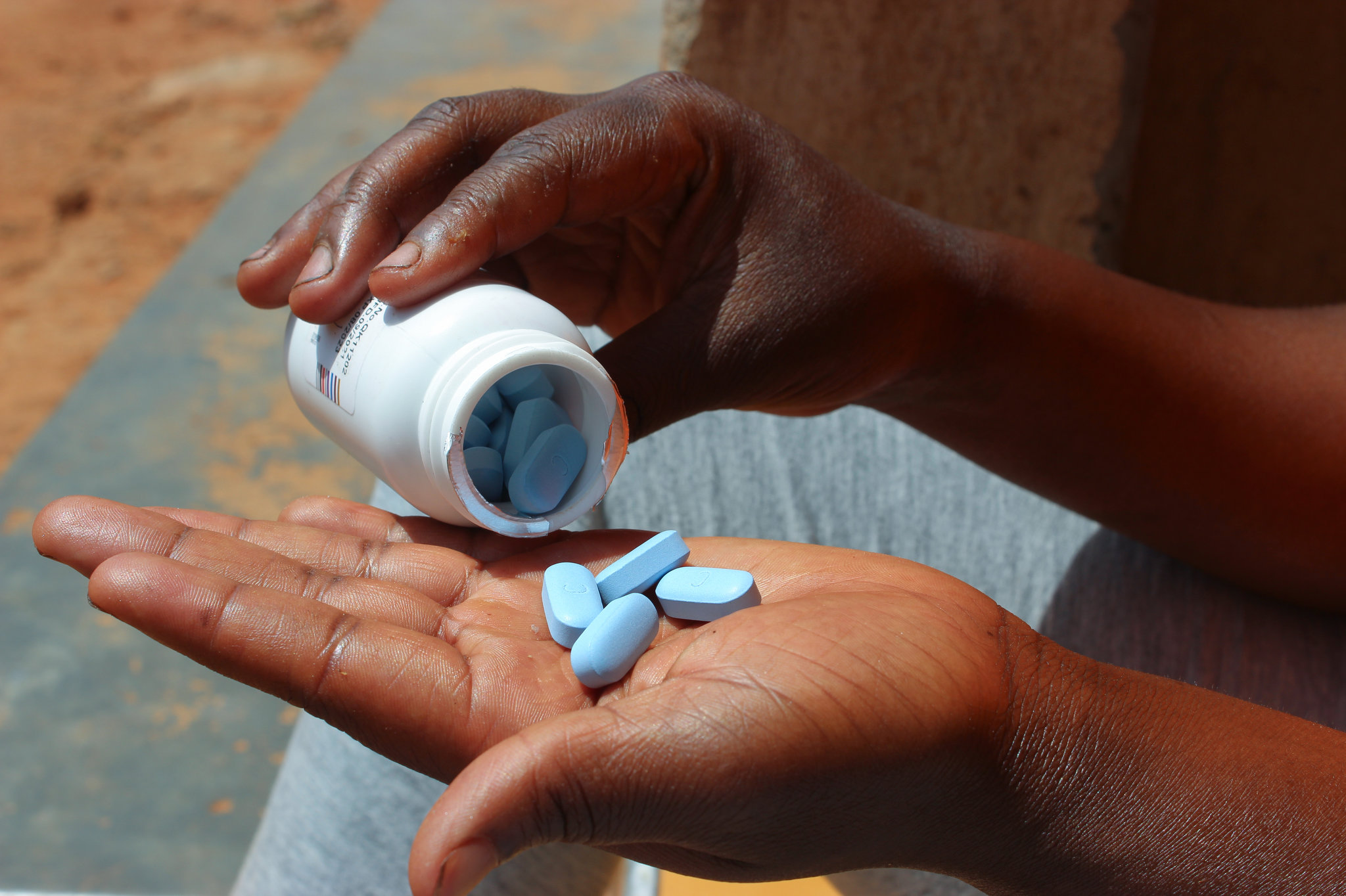
The Uganda AIDS Commission (UAC) has announced a continued decline in new HIV infections, though the country remains behind on its targets to eliminate the epidemic.
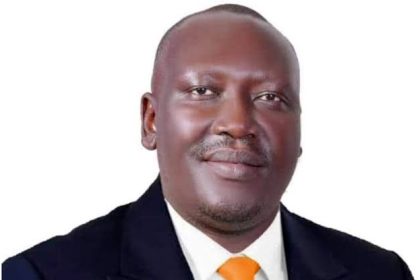
Speaking at the Uganda Media Centre on Tuesday, Dr. Vincent Bagambe, UAC’s Director of Planning and Strategic Information, said the positive trend is backed by data from national health surveys and facilities. However, he acknowledged that despite aiming to cut new annual infections to 10,000, Uganda still records about 38,000 cases each year — a number unlikely to drop significantly in just one year.
Click here to join our WhatsApp Group and Receive Daily News
Similarly, AIDS-related deaths remain high, with over 20,000 deaths annually, despite a national goal of bringing the figure below 10,000.
“While progress is encouraging, we still have a long way to go to meet our national and global goals of ending AIDS as a public health threat,” said Dr. Bagambe.
These targets are aligned with global objectives set by UNAIDS and WHO under the Sustainable Development Goals, which aim for a 90% reduction in both new HIV infections and AIDS-related deaths by 2030 (compared to 2010).
Dr. Bagambe stressed the importance of a unified national response, calling on government agencies, civil society, media, parents, and youth to contribute. “We can’t do this alone,” he said.
Despite setbacks due to a funding freeze by former US President Donald Trump — which caused the loss of up to 25,000 health worker jobs — Uganda has continued to fund its HIV programs, allocating Shs 320 billion annually for operations and medical supplies. A waiver on the freeze has allowed some staff to return.
To boost HIV efforts, all government agencies are now required to dedicate 0.1% of their budgets to HIV/AIDS interventions, managed internally to support local programs.
Dr. Ruth Ssenyonyi, UAC chairperson, noted that Uganda has come a long way since the 1980s, when the national HIV prevalence stood at 18%. Today, it is down to 5.1%, with 98% of Ugandans HIV-negative and about 1.5 million people living with HIV.
Uganda will join the world in commemorating International Candlelight Memorial Day on May 16, honoring those lost to AIDS and promoting continued awareness.
Also Read: Amama Mbabazi’s Daughter Wanted Over Unpaid Shs 450m Loan