


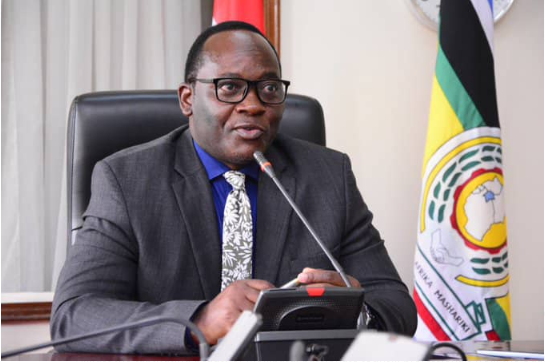
A leading opposition figure in Uganda has raised fresh concerns about the integrity of the country’s electoral process ahead of the 2026 general elections.
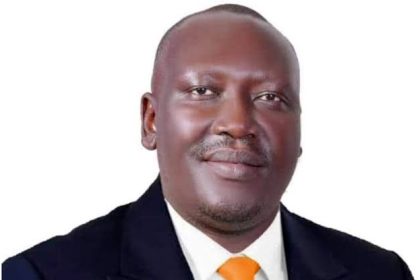
Mathias Mpuuga, leader of the Democratic Front (DF) and former Leader of the Opposition in Parliament, said the ruling National Resistance Movement (NRM) continues to benefit from what he described as an “unlawful” edge in the electoral landscape.
Speaking during an appearance on NBS Television’s Morning Breeze programme on Tuesday, Mpuuga criticised fellow opposition groups for failing to prioritise electoral reforms, which he sees as vital to ensuring a fair political environment.
Click here to join our WhatsApp Group and Receive Daily News
“The NRM still enjoys an unlawful advantage heading into the next elections. This is exactly what we intended to address through electoral reforms,” Mpuuga said, adding that efforts to push for change were overshadowed by internal rivalries and disunity within the opposition.
He stressed that although DF believes in democratic elections as a means of securing leadership, the current structure and administration of the electoral process remains heavily tilted in favour of the ruling party.
“We have raised concerns about how elections are conducted, but that should not be mistaken for rejecting elections altogether,” he said.
Mpuuga cautioned that unless meaningful reforms are pursued, opposition parties may enter the 2026 polls at a significant disadvantage.
“We may not agree on methods or the credibility of certain players, but we must still engage each other if we are to find a way forward,” he added.
His remarks come as divisions continue to emerge among Uganda’s opposition forces over how best to approach the upcoming elections.
The National Unity Platform (NUP), the country’s largest opposition party, has taken a markedly different approach. Rather than focusing on reform, the party has called for what it terms a “protest vote” — encouraging massive turnout to expose flaws in the system and challenge results from within.
This strategy contrasts sharply with Mpuuga’s call for structural changes to the legal and institutional framework before the elections take place.
The debate highlights growing tensions within Uganda’s opposition over whether to confront the electoral process head-on or seek change through negotiation and reform.
Also Read: Amama Mbabazi’s Daughter Wanted Over Unpaid Shs 450m Loan