



Uganda’s Electoral Commission has ruled that the Uganda People’s Congress (UPC) will not be allowed to present a presidential candidate in the 2026 elections, citing constitutional violations and binding court orders.
The announcement followed a meeting on 21 September between Electoral Commission officials and leading figures from the party, including Jimmy Akena, Denis Enap Adim, Joseph Ochieno, and Peter Walubiri. The discussions, intended to clarify who could legitimately be recognised as the party’s flag bearer, instead underscored deep divisions within the UPC.
Click here to join our WhatsApp Group and Receive Daily News
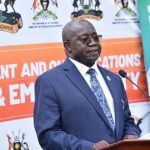
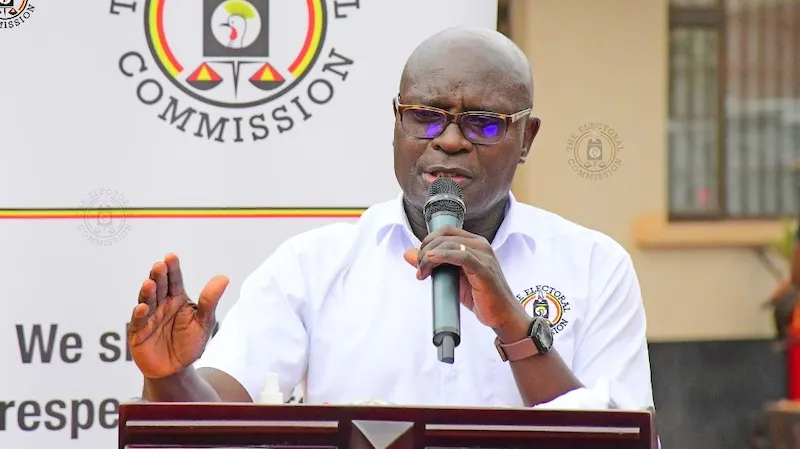
On 22 September, Electoral Commission chairperson Justice Simon Byabakama confirmed that neither Akena nor Adim met the constitutional requirements to stand as the party’s candidate. He reminded UPC leaders to adhere to their constitution and comply with court rulings.
At the centre of the dispute is a High Court judgment, which determined that Akena had already completed the maximum two terms allowed under the UPC constitution. His nomination was therefore nullified and remains invalid. The commission also criticised a controversial virtual delegates’ conference, which extended Akena’s leadership despite a court order prohibiting the meeting.
Adim’s nomination was also struck down, with the commission stating that it failed to meet the standards required under the party’s constitution. Walubiri was not considered since he had not entered the nomination process.
The feud escalated earlier this year, when Adim challenged Akena’s leadership in court and successfully argued that his extended tenure was unlawful. The Electoral Commission concluded that the process violated the Political Parties and Organisations Act, which regulates internal party leadership changes.
Confusion deepened after social media claims falsely suggested that Akena had been cleared as the party’s flag bearer. Lawyers for Joseph Ochieno quickly dismissed the reports as unfounded.
With the nomination deadline approaching, UPC faces the possibility of sitting out the 2026 race entirely—an unprecedented blow to one of Uganda’s oldest political movements.
From post-independence power to crisis
Founded in 1960, the UPC was central to Uganda’s independence struggle. Under Milton Obote, who later became the country’s first executive prime minister and president, the party formed the first post-independence government in alliance with the Buganda Kingdom’s Kabaka Yekka party.
Obote served twice as president, first from 1966 until his overthrow by Idi Amin in 1971, and again from 1980 until a military coup in 1985.
Despite its historic role, UPC has for decades been weakened by internal power struggles and dwindling political influence. The current battle between Obote’s son, Jimmy Akena, and rival factions reflects long-standing divisions that have prevented the party from regaining national prominence.
If the commission’s decision holds, UPC could, for the first time, be absent from a presidential election—marking a dramatic decline for a party once at the heart of Uganda’s political life.
Also Read: Amama Mbabazi’s Daughter Wanted Over Unpaid Shs 450m Loan