



The suspension of US aid under former President Donald Trump’s administration has severely disrupted healthcare services in Mukono district, leading to significant staff layoffs and a public health crisis.
The Makerere University Walter Reed Project (MUWRP), a key health initiative funded by the US Department of Defense, has been forced to drastically reduce its workforce due to the aid freeze. This has worsened an already critical shortage of healthcare personnel in the region.
Mukono’s Chief Administrative Officer, Elizabeth Namanda, revealed that MUWRP previously employed 236 health workers, including 32 on permanent contracts. However, with funding cut off, the organization has downsized to just 36 employees, retaining only those with permanent contracts while awaiting a program review.
The impact extends beyond Mukono, affecting neighboring districts Kayunga, Buikwe, and Buvuma, where MUWRP has played a crucial role in HIV care and treatment since 2005 under the US President’s Emergency Plan for AIDS Relief (PEPFAR). The project offered HIV screening, treatment, tuberculosis (TB) services, cervical cancer screening for female ART patients, and rapid antiretroviral therapy (ART) initiation and adherence support.
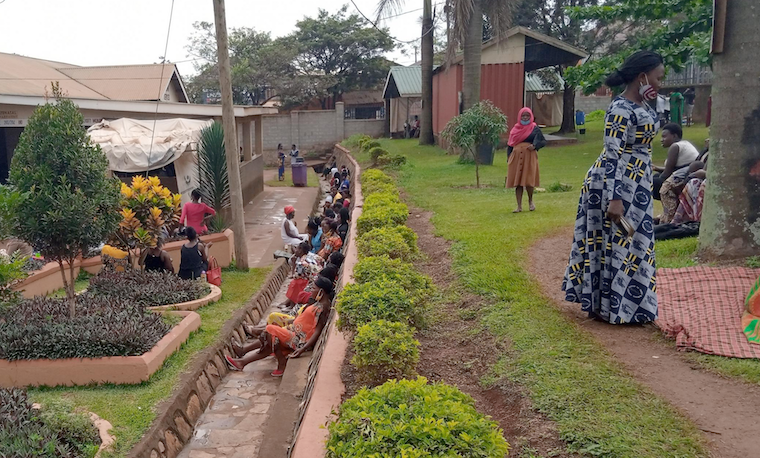
The layoffs have put immense strain on Mukono’s fragile healthcare system, particularly at Mukono General Hospital, health centre IIIs and IVs, and hard-to-reach areas like Koome Island. Even before the aid freeze, the district was struggling with a severe staff shortage due to a prolonged political dispute over the formation of the District Service Commission (DSC), which has stalled healthcare worker recruitment for three years.
Dr. Geoffrey Kasirye, medical superintendent of Mukono General Hospital, warns that the hospital is on the verge of collapse, operating with just 147 healthcare workers—only 52% of the required workforce. He stresses the urgent need for specialist doctors, particularly obstetricians, gynecologists, and surgeons.
Mukono district speaker Betty Hope Nakasi has urged the DSC to fast-track the recruitment of healthcare workers for positions advertised last year. She also suggested temporarily redeploying MUWRP’s laid-off workers to maintain service delivery instead of leaving them unemployed while healthcare facilities remain understaffed.
Meanwhile, Namanda says the district is assessing the full impact of the funding cuts before formally requesting additional wage allocations from the Ministry of Health to recruit new staff.
The crisis in Mukono underscores the broader consequences of foreign aid suspensions on healthcare systems in developing countries. With HIV, TB, and maternal health services at risk, local authorities are scrambling to find alternative solutions to prevent a total collapse of essential healthcare services.