






What Is Digital Marketing?
Digital marketing refers to the practice of promoting products or services using digital channels, technologies, and data. It involves leveraging various online platforms and tools to connect with current and prospective customers, aiming to achieve specific marketing goals.
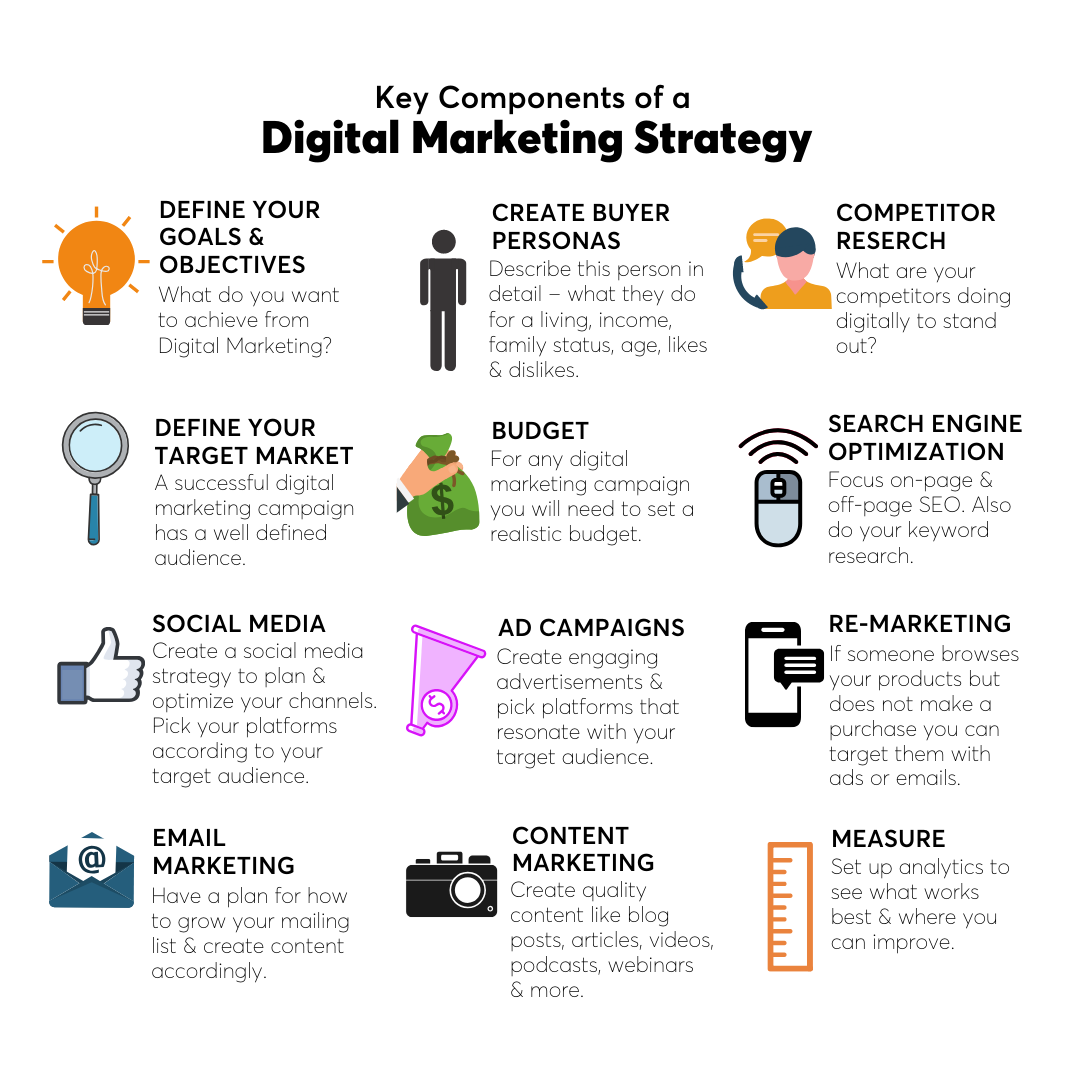
The 18 Key Digital Marketing Techniques
A robust digital marketing strategy integrates multiple techniques across different media channels. These techniques are categorized into six primary media types: Smart Insights+4Smart Insights+4geekschip.com+4
-
Owned Media: Channels controlled by the brand, such as websites, blogs, and mobile apps.
-
Earned Media: Publicity gained through promotional efforts other than paid media, including word-of-mouth, reviews, and social media mentions.
-
Paid Media: External marketing efforts that involve paid placements, like pay-per-click advertising, display ads, and sponsored content.
-
Shared Media: Content shared across third-party platforms, primarily social media channels.
-
Hybrid Media: A combination of owned, earned, and paid media, such as influencer partnerships and co-branded content.
-
Interactive Media: Engaging platforms that allow two-way communication, including webinars, interactive infographics, and live chats.
By strategically utilizing these techniques, businesses can enhance their online presence, engage with their audience, and drive conversions.
Strategic Framework: The 5S Model
To effectively plan and evaluate digital marketing activities, the 5S framework provides a structured approach:Smart Insights
-
Sell: Increase sales through broader reach and online transactions.
-
Serve: Enhance customer service by providing comprehensive information and support online.
-
Speak: Foster two-way communication with customers via social media and other interactive platforms.
-
Save: Reduce costs by automating processes and improving efficiency.
-
Sizzle: Build brand identity and create a memorable online experience.
Implementing the 5S model helps businesses align their digital marketing efforts with overarching business objectives.
 Measuring Success: Key Performance Indicators (KPIs)
Monitoring and analyzing performance metrics is vital to assess the effectiveness of digital marketing strategies. Key Performance Indicators (KPIs) provide quantifiable measures to evaluate success:
-
Traffic Metrics: Track the number of visitors, page views, and session durations on your website.
-
Engagement Metrics: Assess likes, shares, comments, and overall interaction on social media platforms.
-
Conversion Rates: Measure the percentage of visitors who complete desired actions, such as purchases or sign-ups.
-
Return on Investment (ROI): Calculate the profitability of marketing campaigns relative to their costs.
-
Customer Acquisition Cost (CAC): Determine the average expense incurred to acquire a new customer.
Regularly reviewing these KPIs enables businesses to refine their strategies and achieve better outcomes.
Embracing Digital Transformation
As digital technologies continue to evolve, businesses must adapt to stay competitive. Embracing digital transformation involves integrating digital technologies into all areas of business operations, fundamentally changing how value is delivered to customers. This transformation enhances agility, improves customer experiences, and drives innovation.
Mastering digital marketing in 2025 requires a comprehensive understanding of various channels, strategic frameworks, and performance metrics. By effectively integrating these elements, businesses can create impactful digital marketing strategies that drive growth, enhance customer engagement, and achieve long-term success in the digital age.