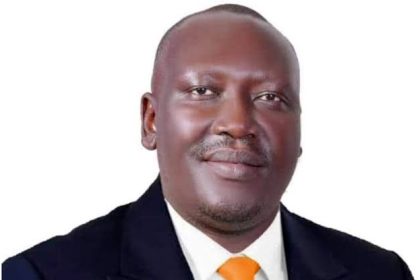





The Ugandan government is set to appoint civilian justices of peace to assist police in maintaining law and order, Justice and Constitutional Affairs Minister Norbert Mao has announced.
Mr. Mao explained that these individuals will be chosen from respected members of the community and will play a role in resolving conflicts and upholding the law with integrity.
Click here to join our WhatsApp Group and Receive Daily News
“We want respected citizens in each community who can step in and ensure order is maintained. Enforcement of the law must be firm and uncompromised,” he said on June 5.
Under Chapter 17 of the Justices of the Peace Act, the Justice Minister has the authority to appoint Ugandan citizens—or citizens of Commonwealth countries living in Uganda—as justices of the peace, with appointments to be officially gazetted.
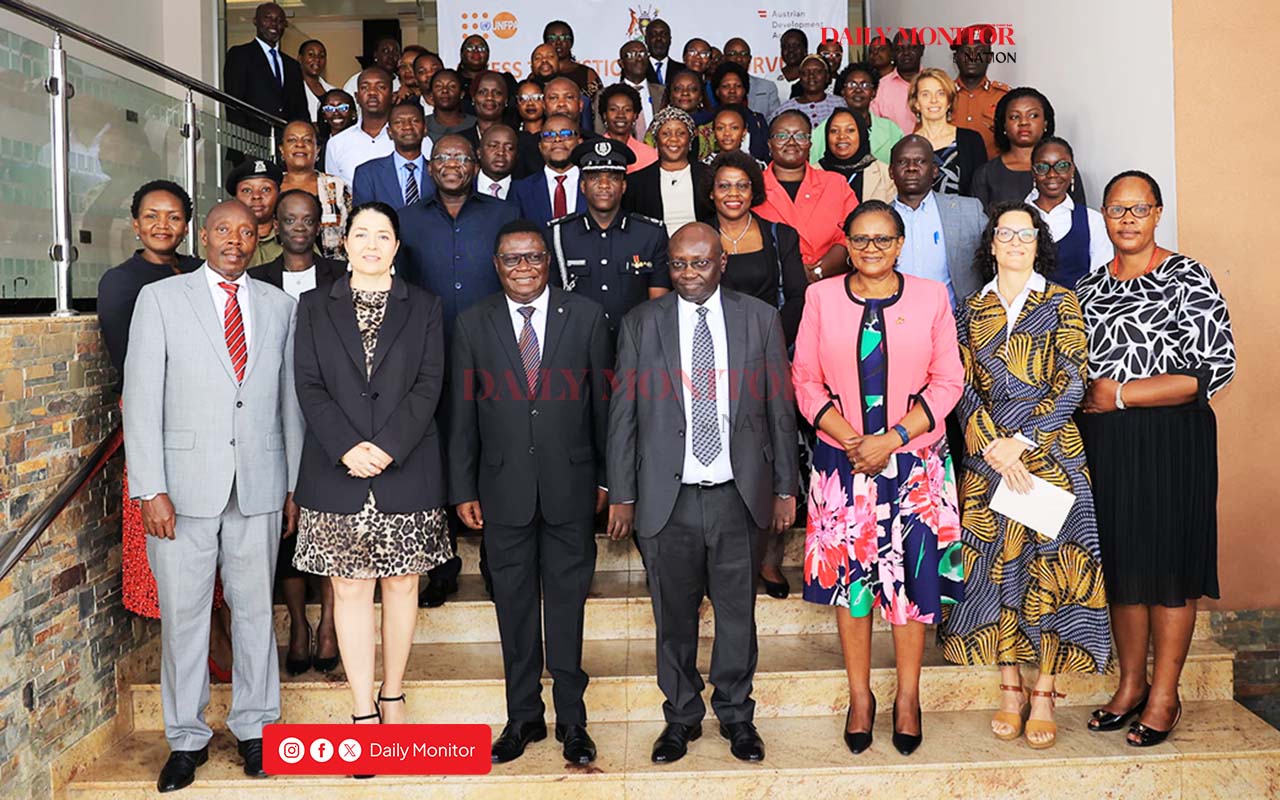
Speaking during the “Access to Justice for Gender-Based Violence (GBV) Survivors” symposium held in Kampala, Mr. Mao also emphasized the need to deploy senior legal personnel in rural areas.
“One challenge I face as Justice Minister is that many highly qualified legal professionals view rural postings as punishment. But we need experienced individuals in these areas who can make swift and informed decisions without needing to refer everything to Kampala,” he said.
Mao also promoted plea bargaining and justice centers as strategies to ease prison overcrowding and offer support for GBV survivors. He suggested Uganda adopt community-based advice centers, inspired by European models, to provide free legal and social guidance.
“Our citizens often lack access to proper advice. In Europe, there are citizens’ advice centers that fill this gap—we need something similar here,” he added.
Dr. Katja Kerschbaumer, head of Development Cooperation at the Austrian Embassy in Uganda, called for a more cohesive and survivor-focused social protection system.
“Uganda has strong policies on social development and GBV response, but they are disjointed. Survivors frequently struggle to navigate these services or must pay for critical support themselves,” she noted.
She emphasized that a coordinated and well-funded national framework should be established to ensure survivors are protected and empowered to rebuild their lives.
“It’s not just a matter of social support—it’s fundamentally about justice,” she said.
Justice David Matovu reaffirmed the judiciary’s dedication to improving access to justice for GBV victims.
“As a country, we’re making progress in addressing GBV through specialized court sections, which has led to a decrease in the backlog of GBV cases and reduced the time these cases spend in court,” he said.
Also Read: Amama Mbabazi’s Daughter Wanted Over Unpaid Shs 450m Loan