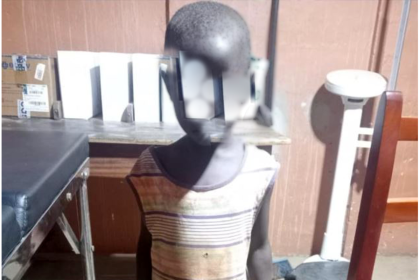





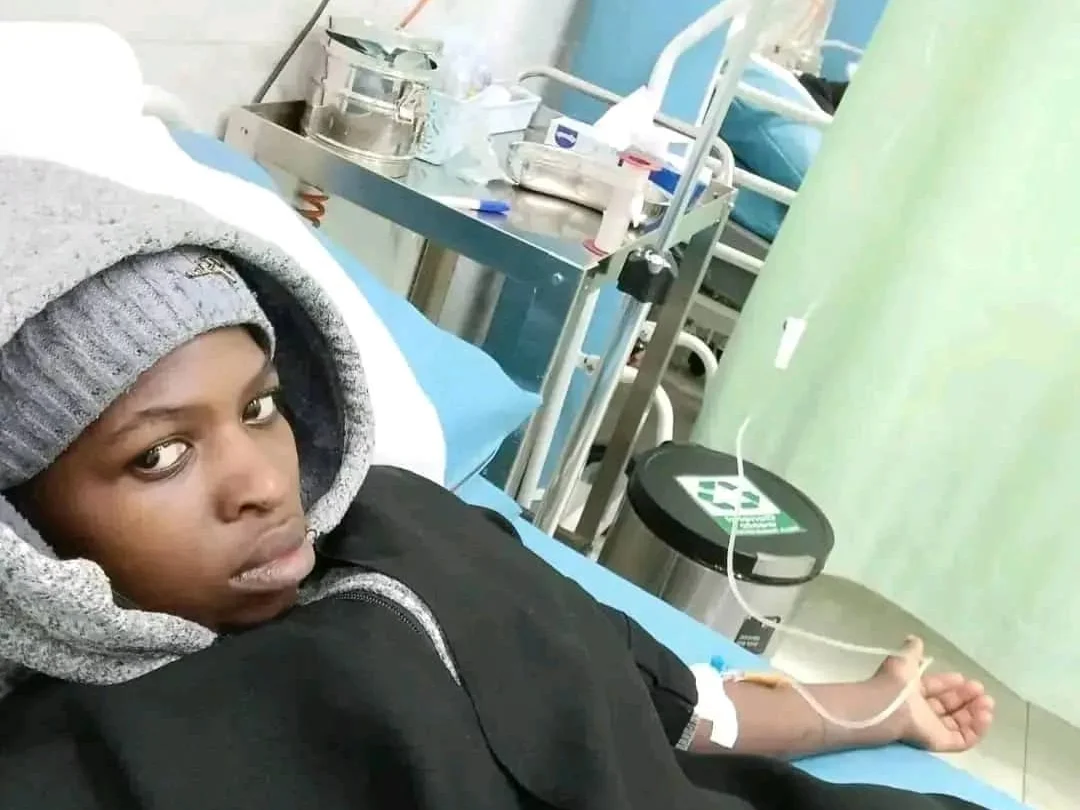
A somber atmosphere engulfed Entebbe International Airport on Thursday as the body of Teddy Namata, a 27-year-old Ugandan migrant worker, arrived from Saudi Arabia under a cloud of mystery and sorrow.
Relatives, friends, and mourners assembled at the airport to receive her remains, ending weeks of emotional distress, bureaucratic delays, and unanswered questions.
On May Day—a day dedicated to celebrating workers—Namata was returned home in a casket instead of commemorating her efforts and dreams.
She had travelled to Riyadh in late 2023 after securing employment as a domestic worker, like many young Ugandans seeking better economic prospects abroad. Her goal was to support her family in Luweero. Instead, her journey ended in tragedy.
The circumstances of her death are unclear. Both her employer and the recruitment agency have offered little clarity, and no official cause of death has been released.
“All we want is to know what happened to our daughter,” said a family representative. “We can’t lay her to rest without the truth.”
Namata’s case is one of many. The Uganda Human Rights Commission reports that numerous Ugandan migrant workers in the Gulf die each year under questionable conditions. Rights advocates point to systemic abuses within the kafala system—a labour sponsorship structure that ties workers to their employers and often exposes them to exploitation, overwork, and abuse.
Despite repeated calls from civil society organizations for stronger regulation of labor export agencies, enforcement has remained weak. While the Ministry of Gender, Labor, and Social Development has issued guidelines and occasionally suspended non-compliant agencies, these efforts have often fallen short.
Click here to join our WhatsApp Group and Receive Daily News
Since 2016, over 200,000 Ugandans have been deployed to the Middle East for low-wage and domestic jobs, with remittances supporting both families and the national economy. However, the program has faced criticism for frequent reports of abuse, withheld wages, and unexplained deaths.
Human rights organizations have long demanded more effective protections, including bilateral agreements, legal support systems for migrant workers, and mandatory pre-departure education on workers’ rights. Despite some progress, implementation and accountability remain limited.
“This system is failing our people,” said Sarah Bireete, executive director of the Center for Constitutional Governance. “Our daughters deserve protection and respect—not to return in coffins.”
Namata’s death has reignited national concern over Uganda’s labor export policy. While remittances are vital to the economy, critics argue that the current framework devalues human life.
“This is not just about jobs—it’s about justice,” said Leader of Opposition Joel Ssenyonyi. “We cannot keep sacrificing lives for foreign exchange. The government must act decisively to safeguard our citizens abroad.”
As the Namata family plans her burial, their grief is deepened by silence and a lack of transparency. They’ve received no autopsy, no answers from her employer, and no accountability from the recruiting agency.
They are now calling for a formal investigation and compensation from those responsible.
Namata’s coffin, wrapped in white, stood as a grim symbol of the peril many Ugandans face in their quest for a better future abroad. As prayers were said and tears shed, a relative whispered, “How many more must die before anything changes?”
Also Read: Amama Mbabazi’s Daughter Wanted Over Unpaid Shs 450m Loan