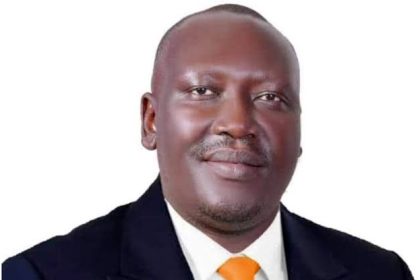




Defense and Veterans’ Affairs Minister Jacob Oboth Oboth has presented the Uganda People’s Defence Forces (UPDF) Amendment Bill to Parliament, seeking to, among other proposals, reintroduce the prosecution of civilians in military courts.
Oboth stated that the 144-page bill was partly shaped by the Supreme Court’s January 31, 2025, ruling, which struck down sections of the UPDF Act that previously allowed civilians to be tried in military courts.
“The bill aims to implement the Supreme Court’s decision in Constitutional Appeal No. 2 of 2021—Attorney General vs. Hon. Michael A. Kabaziguruka—by reorganizing the structure and jurisdiction of the military courts. It also defines the composition, qualifications, and independence of court-martial officials, outlines the appeals process, and sets out specific instances where civilians can be tried in military courts,” Oboth explained to lawmakers.
Click here to join our WhatsApp Group and Receive Daily News
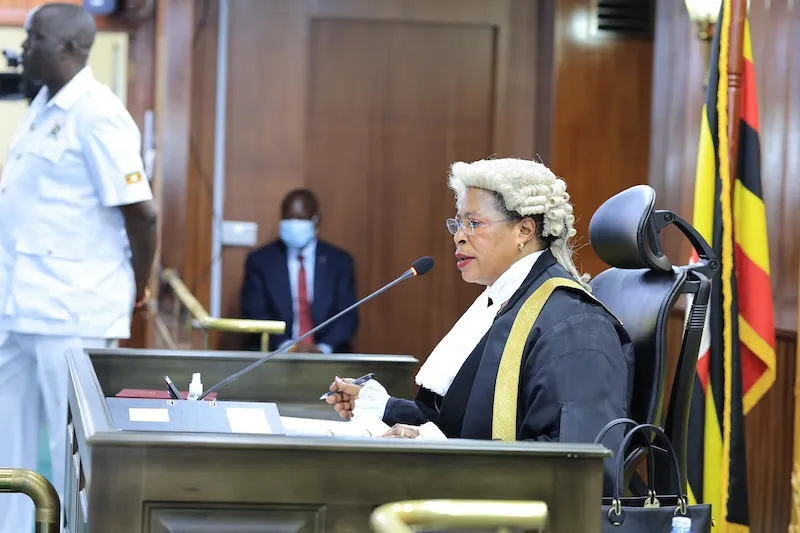
Speaker Anita Among has referred the bill to the parliamentary committees on defense and internal affairs and legal and parliamentary affairs.
The proposed law outlines “limited circumstances” under which civilians could be subject to military justice, echoing the lead opinion in the court’s ruling by Chief Justice Alfonse Owiny-Dollo.
Under the proposed revisions to Section 117 of the UPDF Act, civilians who could fall under military jurisdiction include those who:
- Voluntarily accompany military units during active operations
- Are found in illegal possession of weapons, ammunition, or military-only gear
- Aid or conspire with military personnel in crimes like treason, murder, kidnapping, or cattle rustling
- Possess or sell military uniforms or classified equipment without authorization
However, critics argue that these exceptions closely resemble the charges previously ruled unconstitutional when civilians were tried in military courts.
The Kabaziguruka case challenged the legality of subjecting civilians to military trials, with the Supreme Court agreeing nearly unanimously that military courts lack the constitutional safeguards required for fair trials, especially for civilians. The justices raised concerns about the courts’ composition, lack of independence, and absence of tenure for members.
Chief Justice Owiny-Dollo stressed that military tribunals are not equipped to try civilians, stating:
“Trying civilians in military courts, regardless of the charges or their proximity to military operations, strips them of protections guaranteed in civilian judicial processes.”
He emphasized that unless a civilian directly violates military discipline while working within the military, both they and the implicated soldier should face justice in civilian courts. He also dismissed the argument that military courts are more efficient, saying that the solution lies in strengthening Uganda’s civilian judiciary.
How the Bill Addresses Court Concerns
Despite criticisms, the UPDF Amendment Bill attempts to meet some of the Supreme Court’s recommendations.
Chief Justice Owiny-Dollo acknowledged that military courts are not inherently unconstitutional but need significant reforms. He called on Parliament to pass legislation that reflects Ugandan values and constitutional principles, as outlined in the Odoki Commission report.
In response, the bill proposes several reforms:
- Legal Qualifications: Court martial chairpersons must now hold legal degrees. Unit and division court-martial heads must have a Bachelor of Laws and a postgraduate legal diploma. The general court-martial chairperson must meet the standards of a high court judge, and panel members must be registered advocates.
- Judicial Oversight: These appointments would be made by the High Command on advice from the Judicial Service Commission, which currently plays no role in court-martial appointments.
- Appeals and Oversight: The bill introduces a right of appeal from military to civilian courts. Death sentences issued by the General Court Martial must be confirmed by the Supreme Court.
- Judicial Independence: Members of military courts would be required to take a judicial oath and are expected to operate independently, free from military command interference.
Also Read: Amama Mbabazi’s Daughter Wanted Over Unpaid Shs 450m Loan