

Uganda’s largest opposition party, the National Unity Platform (NUP), is facing internal tensions as disputes over its vetting process threaten to undermine its unity ahead of the 2026 general elections.
Concerns first emerged earlier this year during the Kawempe North by-election primaries, when ten hopefuls went through what insiders described as unusually tough scrutiny. The party eventually handed its flag to lawyer Elias Nalukoola, but the decision triggered protests from some aspirants, including former aide to the late MP Muhammad Ssegirinya, Alex Luswa Luwemba, and outspoken politician Moses Nsereko. They accused the process of being manipulated and exclusionary.
Click here to join our WhatsApp Group and Receive Daily News
Since then, similar complaints have spread across constituencies, with critics alleging bias, favoritism, and a lack of transparency. Some long-standing NUP members have either declared intentions to run as independents or defected to rival parties.
In Nansana, tensions flared during the selection of a mayoral candidate, with rival camps accusing each other of forgery and corruption before the party reversed its initial decision under pressure. In Mbale City, local NUP chairperson Rogers Busiku openly rejected the endorsement of Mansa Musa as flagbearer, warning it was “a gift to the NRM.” Meanwhile, in Makindye Ssabagabo, popular leader Cedric Kawuma announced he would contest as an independent after being denied the party’s ticket.
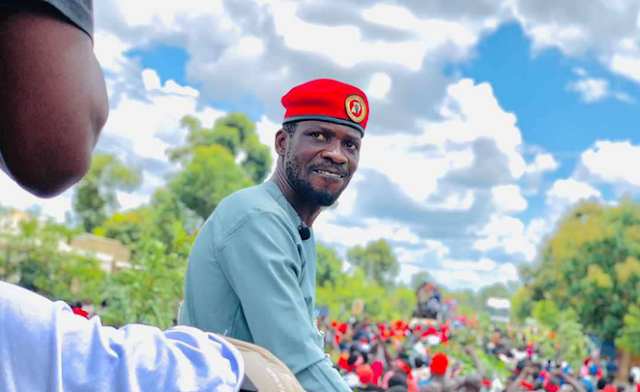
The fallout has highlighted growing unease within NUP’s grassroots, with some accusing the leadership — and particularly party president Robert Kyagulanyi, also known as Bobi Wine — of handpicking candidates at the expense of loyal organizers.
Analysts warn the infighting could erode NUP’s dominance in the central region, which was critical to its strong showing in the 2021 elections. Unlike the ruling National Resistance Movement (NRM), which largely relies on internal voting to select flagbearers, NUP uses a vetting committee. The system, originally designed to reduce violence and manipulation, is now being criticised as opaque and elite-driven.
The divisions have created opportunities for rivals. The NRM is seeking to regain influence in central Uganda, while other opposition groups such as the Democratic Front and the People’s Front for Freedom are attracting defectors. Several former NUP councillors and mayors have already switched allegiance, raising questions about the party’s cohesion.
Political commentators say the crisis is existential for a movement built on “people power” and promises of accountability. They argue that unless NUP reforms its internal processes and rebuilds trust with its base, it risks losing not only its electoral advantage but also its identity as a grassroots-driven force.
For now, the party that once energised Uganda’s opposition is under pressure to prove it can manage its own internal democracy.
Also Read: Amama Mbabazi’s Daughter Wanted Over Unpaid Shs 450m Loan