


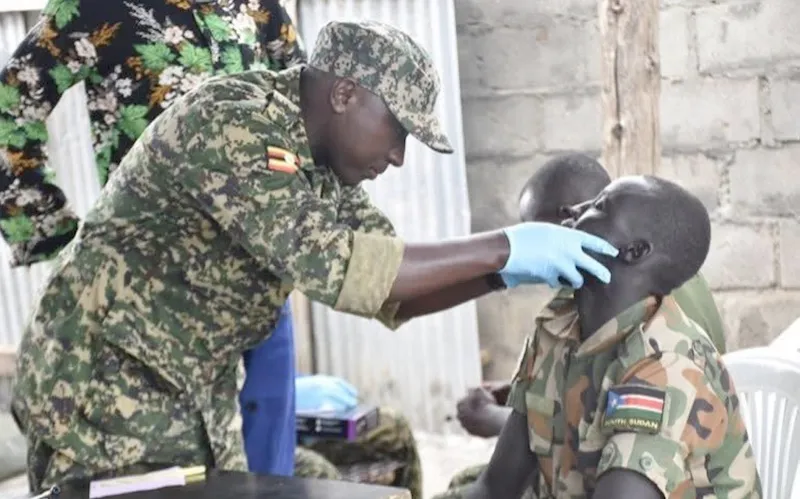
Al-Shabaab militants have retaken several areas in Somalia’s Middle and Lower Shabelle regions that had been previously secured by the Uganda People’s Defence Forces (UPDF) and other international forces.
The resurgence comes as troops under the African Union Mission in Somalia (AMISOM)—later restructured into the African Union Transition Mission in Somalia (ATMIS) and now AUSSOM—continue to withdraw as part of the phased drawdown process.
Click here to join our WhatsApp Group and Receive Daily News
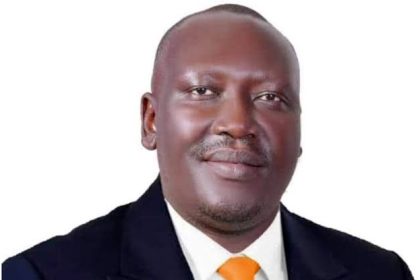
Uganda’s Minister of Defence and Veteran Affairs, Jacob Marksons Oboth, confirmed the setbacks, warning fellow troop-contributing nations that al-Shabaab’s rapid gains require an urgent boost in peacekeeping numbers.
“I want to inform you that al-Shabaab is reclaiming many areas that had earlier been secured. There is a pressing need to confront this growing threat and strengthen stabilization efforts in Somalia,” Oboth stated.
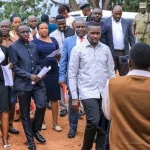
He made the remarks during an evaluation meeting in Kampala attended by defense chiefs and commanders from Kenya, Ethiopia, Djibouti, Uganda, and Egypt, all contributors to the peacekeeping mission launched in 2007.
Al-Shabaab’s increased aggression follows the deadly assault on a UPDF base at Buulo-Mareer in the Lower Shabelle region on May 26, 2023, which resulted in the deaths of 54 Ugandan soldiers, including the base commander, Lt. Col. Edward Nyororo, while others were captured.
In the past year, the UPDF, Kenya Defence Forces (KDF), and Burundi contingents have scaled back their troop numbers after major UN Security Council members ended funding for AMISOM in 2021, arguing that its mandate had run its course. Uganda, for instance, reduced its deployment from over 6,000 troops to around 3,000. However, commanders from troop-contributing countries now argue that an increase is necessary to withstand al-Shabaab’s intensifying attacks.
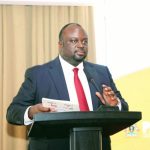
Somalia’s Minister of Foreign Affairs and International Cooperation, Ahmed Moallim Fiqi, expressed heartfelt appreciation to Uganda and other nations for nearly 20 years of sacrifice.
“Your courage and solidarity have created a powerful legacy of African unity. We now have a functional government, a strengthening national army, and established political structures. Yet, we cannot finish this fight alone,” Fiqi said.
The renewed calls for more foreign troops raise questions about earlier assertions by UN Security Council members—including the US, UK, France, and Germany—that Somalia’s national forces are ready to independently manage the country’s security.
Also Read: Amama Mbabazi’s Daughter Wanted Over Unpaid Shs 450m Loan