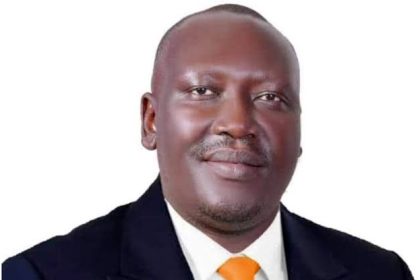


Lwemiyaga County MP, Theodore Ssekikubo, has suspended all his campaign rallies indefinitely after one of his supporters, Fred Ssembuusi, was shot and killed by soldiers on Thursday evening. The incident happened in Kirega trading centre, Sembabule District, where Ssekikubo was holding a rally ahead of the NRM parliamentary primaries scheduled for July 16.
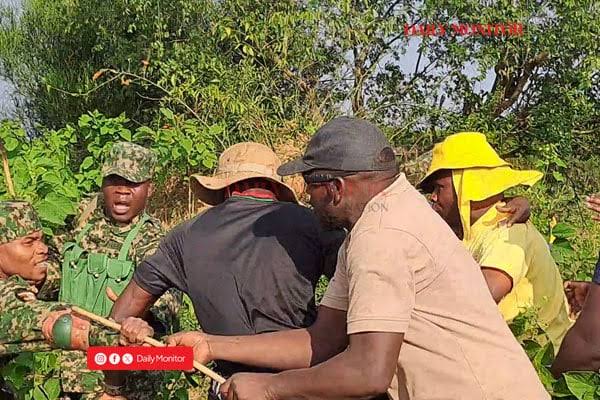
The rally turned violent when Ssekikubo’s supporters clashed with those of his rival, Brig (rtd) Emmanuel Rwashande, around 5 p.m. Ssekikubo himself sustained an injury to his right index finger, and another person, Moses Mwesigye, a supporter of Rwashande, was shot in the head.
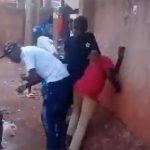
Witnesses say the chaos began after Ssekikubo’s supporters asked Rwashande’s team to lower their music so the MP could address the crowd. Their refusal led to tension, and as Ssekikubo concluded his speech, soldiers—allegedly from Rwashande’s security team—began assaulting attendees. The crowd retaliated with sticks and stones, prompting the soldiers to open fire, killing Ssembuusi.
Ssekikubo criticized the military’s involvement in local politics, stating that he has repeatedly warned that such interference could lead to bloodshed. He said continuing rallies under such insecurity would be irresponsible, and called on national security leaders to intervene.
Paul Kanganve, officer in charge of Lwemiyaga Police, condemned the use of force, calling it excessive and unnecessary. Ssekikubo had earlier held a peaceful rally at Bugologolo town, showing such violence wasn’t inevitable.
The Sembabule RDC, Jane Francise Kagaayi, has since called a security meeting to address the violence and prevent future incidents. Meanwhile, concerns have grown over Brig Rwashande’s close ties to the military, especially given reports that some of his security team are active soldiers, and his perceived support from Gen Muhoozi Kainerugaba, son of President Museveni and the current military chief.
The incident adds to longstanding accusations of UPDF interference in politics, often linked to intimidation, injuries, and deaths—despite repeated public criticism.
Many Ugandans now fear worsening violence in the run-up to the next general elections. Critics argue that the government’s promise of peace and security, once its strongest pillar, is rapidly fading and being replaced by unchecked state-sponsored brutality.