




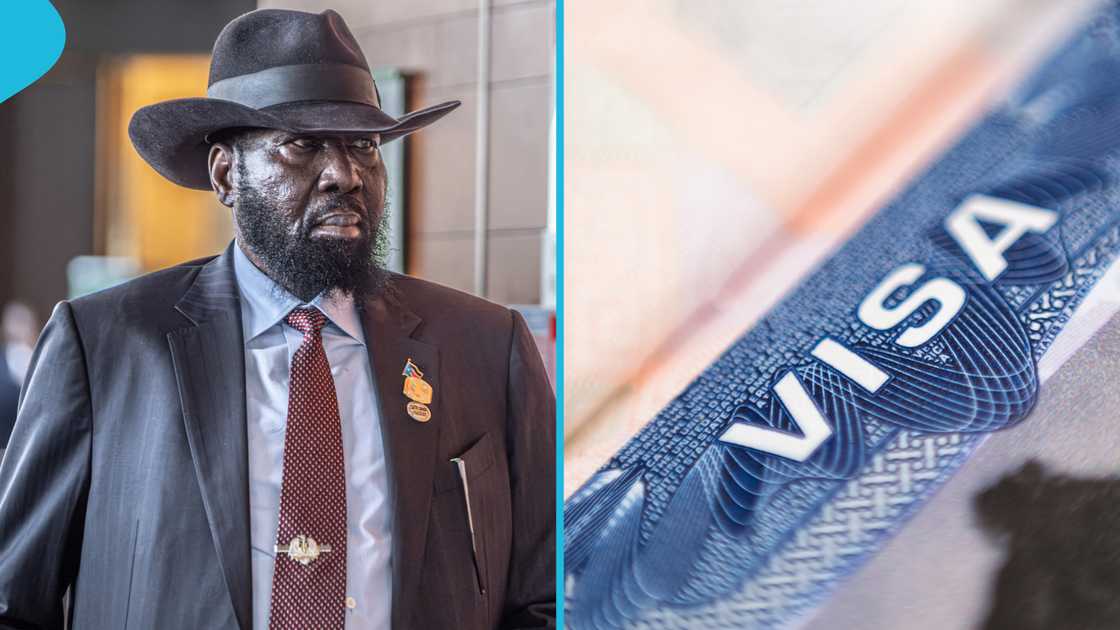
Ugandans travelling to South Sudan will now pay Shs185,000 ($50) for a single-entry visa and up to Shs924,000 ($250) for a six-month multiple-entry visa under a revised visa policy introduced by the South Sudanese government.
The new visa regime, published on South Sudan’s updated e-Visa portal, also applies discounted rates to citizens of Kenya, Rwanda and the Democratic Republic of Congo. A three-month multiple-entry visa for travellers from the four countries will cost Shs462,000 ($125).
Click here to join our WhatsApp Group and Receive Daily News
Travellers from most other countries will pay higher fees, with a single-entry visa costing Shs370,000 ($100), a three-month multiple-entry visa Shs740,000 ($200) and a six-month multiple-entry visa Shs1.29 million ($350). Citizens of Somalia and Burundi have also been placed in the $100 single-entry visa category.
Under the revised framework, Egypt and Tanzania remain the only African countries whose citizens are exempt from visa fees when entering South Sudan, while South African passport holders can visit for up to 30 days without requiring a visa.
The changes replace a more uniform visa system with charges that vary depending on a traveller’s nationality.
The move is likely to affect cross-border traders, transporters, business people and other frequent travellers who use the busy Elegu-Nimule border crossing, one of East Africa’s busiest trade routes.
It may also attract attention within the East African Community (EAC), where member states have committed to promoting the free movement of people, labour and services as part of regional integration efforts.
The changes are particularly significant for Uganda, which is one of South Sudan’s largest trading partners and a major supplier of food, manufactured goods and other products to the neighbouring country.
Uganda has also maintained close ties with South Sudan through humanitarian assistance, regional diplomacy and security cooperation.
The country currently hosts about 900,000 South Sudanese refugees, allowing them to work, run businesses, access education and healthcare, and cultivate allocated land under its refugee settlement programme.
Uganda has also deployed troops to South Sudan on several occasions to support peace efforts and help stabilise the country during periods of political and security unrest.
The revised visa charges are expected to increase travel costs for many East Africans and could affect trade, tourism and business unless bilateral or regional arrangements are reviewed.
Travellers planning to visit South Sudan have been advised to confirm the latest visa requirements, fees and application procedures through the country’s official e-Visa portal before making travel arrangements.
Also Read: Amama Mbabazi’s Daughter Wanted Over Unpaid Shs 450m Loan