





Although Uganda’s electoral laws currently prohibit the monetization of politics, voter bribery remains a persistent issue due to weak enforcement, widespread poverty, and inadequate monitoring during campaigns.
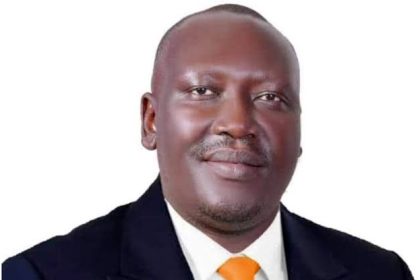
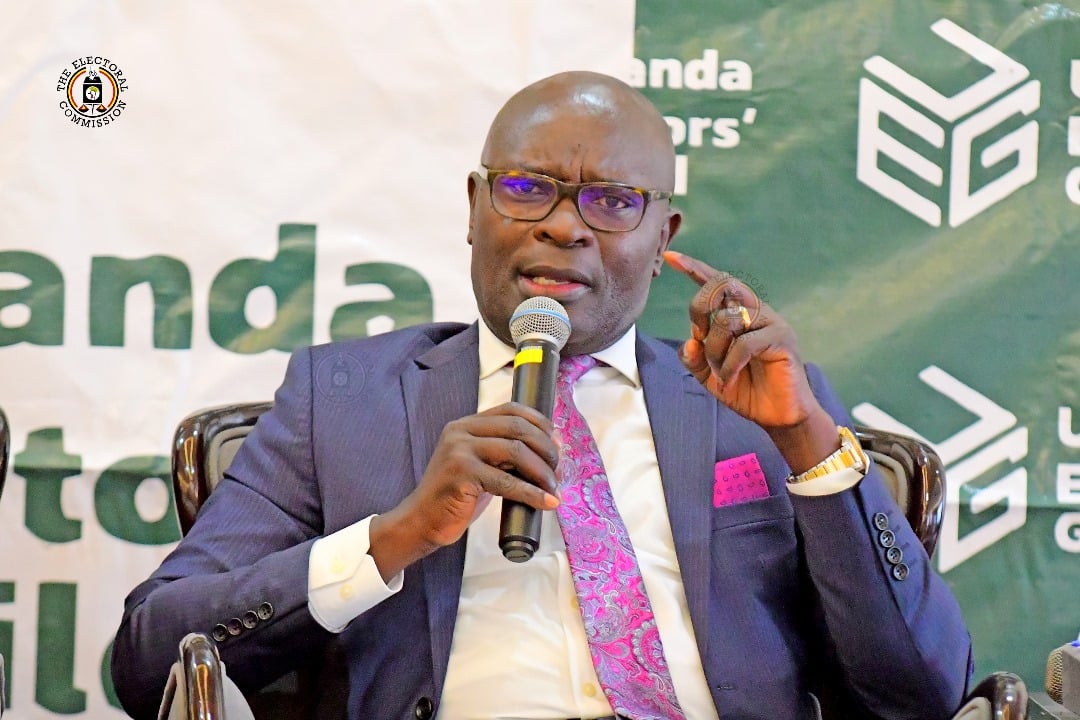
Justice Simon Byabakama, the Chairperson of the Electoral Commission (EC), has called on Parliament to pass a law that would regulate the monetization of politics, citing increasing concerns over voter bribery that threatens the integrity of elections.
Speaking at the third Uganda Editors’ Guild Convention at Mestil Hotel in Kampala, Byabakama highlighted the growing commercialization of elections and emphasized that without effective legislation, efforts to combat voter bribery would be ineffective.
He expressed concern that Ugandans had allowed their votes to be sold, with the highest bidder winning, and shared a story of a former colleague who lost all his savings in a failed election bid.
Byabakama also urged voters to reconsider accepting small bribes from politicians, which he argued devalue their votes. He illustrated this point by asking voters how much a chicken costs in their area, then questioning why they would accept a mere Shs 1,000 or Shs 10,000 to sell their vote when the chicken is worth more.
He called on the media to take a more active role in educating the public on their civic duties. While recognizing the media’s role in holding power to account, Byabakama stressed the importance of informing citizens about their constitutional responsibilities, including participating in governance and rejecting electoral misconduct.
Byabakama also addressed youth unemployment, noting that Uganda’s young and largely unemployed population is particularly vulnerable to manipulation. He urged the media to advocate for policies that tackle youth unemployment instead of exacerbating an already tense situation.
In addition to discussing voter bribery, Byabakama provided an update on the electoral process, which includes voter education, electoral area demarcation, reorganization of polling stations, and efforts to identify persons with disabilities at the village level. He warned that the voter registration exercise, which closed last month, would not be reopened, meaning those who failed to register would not be eligible to vote.
Byabakama’s comments come amid increasing concerns over the integrity of elections, with many stakeholders calling for stronger measures to prevent vote-buying and ensure a fair democratic process.
While current laws under the Parliamentary Elections Act and the Presidential Elections Act prohibit voter bribery and electoral misconduct, Byabakama’s call for stronger legislative action suggests that existing laws are not sufficient to effectively address the widespread issue of voter bribery in Uganda’s political environment.