





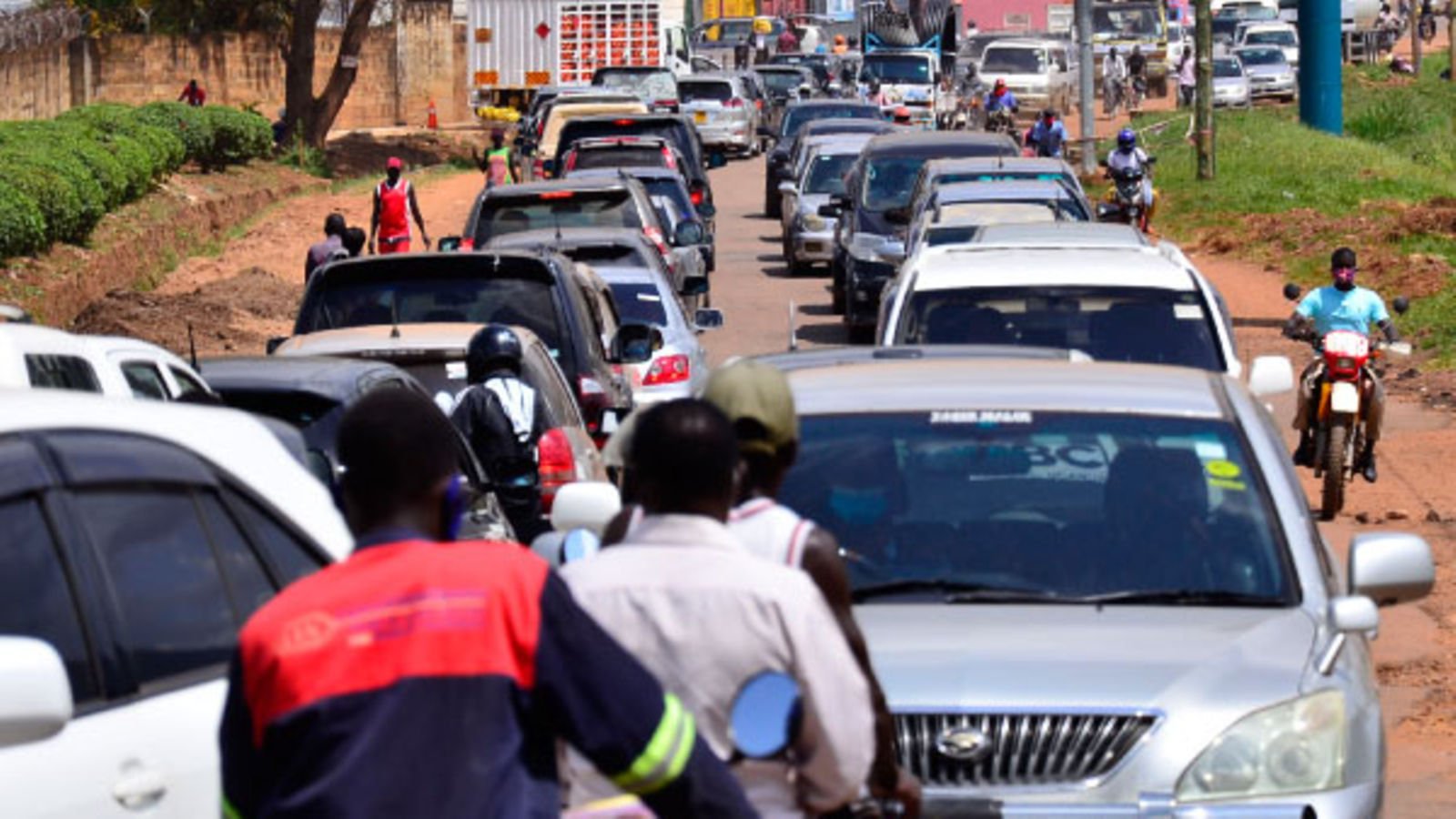
The Directorate of Traffic and Road Safety has temporarily paused issuing fines under the newly introduced traffic regulations to allow time for public sensitization.
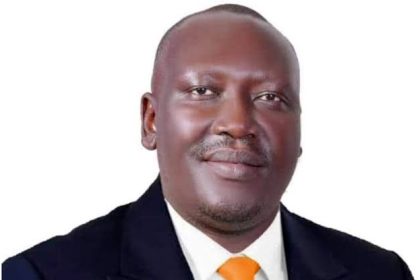
The decision was announced by Assistant Inspector General of Police (AIGP) Lawrence Nuwabiine, head of the Traffic Police, in response to growing public concern over being penalized without adequate awareness of the updated laws.
The new traffic regulations, which came into effect on May 20, 2025, impose stricter penalties for a range of traffic offenses and significantly shorten the fine payment window from 28 days to just 72 hours.
Click here to join our WhatsApp Group and Receive Daily News
“We have heard motorists’ concerns,” said AIGP Nuwabiine. “It’s clear that many drivers are unaware of the new requirements, and it would be unjust to continue enforcement without first ensuring they’re properly informed. That’s why we’ve suspended the fines temporarily to focus on nationwide education.”
Under the revised Express Penalty Scheme (EPS), late payments attract a 50% surcharge. Key targets of the reforms include drunk driving, speeding, and operating uninsured or unlicensed vehicles.
For instance:
- Exceeding the speed limit by 1–30 km/h now attracts a Shs200,000 fine.
- Driving more than 30 km/h over the speed limit carries a Shs600,000 penalty.
- Driving without insurance or a valid license can lead to fines between Shs200,000 and Shs600,000, or up to two years in prison.
- Drunk drivers face a Shs500,000 fine, mandatory court appearance, and possible license suspension.
- Reckless driving offenses may result in fines between Shs1.2 million and Shs1.8 million or imprisonment of two to three years.
Despite the law’s intent to improve road safety, many drivers have voiced frustration and confusion, particularly about the reduced payment period and the sudden enforcement of rarely cited clauses.
“I got fined for driving without updated insurance and didn’t even know the rules had changed,” said James Tumwine, a taxi driver in Kampala. “There should have been more awareness first.”
In response, Nuwabiine said the suspension period would be used to launch a comprehensive national awareness campaign involving radio and TV discussions, printed materials, social media outreach, and community meetings.
“This isn’t just about fines,” he added. “It’s about building a culture of responsible driving and saving lives.”
This comes as Uganda continues to battle rising road accidents and fatalities, especially involving boda bodas and minibuses. Authorities hope the tougher penalties—if clearly understood—will deter repeat offenders and reduce traffic deaths.
While no timeline has been provided for when the enforcement will resume, police have promised to give ample notice once the education phase is complete.
Motorists are being cautioned not to take the suspension as a license to flout traffic laws.
“Even though we’re not issuing fines for now, the law is still in force. Drivers must obey the rules to avoid accidents and eventual penalties,” Nuwabiine warned.
Many welcomed the pause, especially after being penalized for offenses that had long been dormant. One example is Laban Mujuni Mboneizina, who was fined Shs40,000 for not carrying his vehicle’s logbook—an infraction based on a little-known clause in Uganda’s Traffic and Road Safety Act.
These reforms represent the most significant overhaul of Uganda’s road traffic regime in nearly 20 years. Authorities emphasize that their success hinges on both public compliance and clear communication.
Also Read: Amama Mbabazi’s Daughter Wanted Over Unpaid Shs 450m Loan