





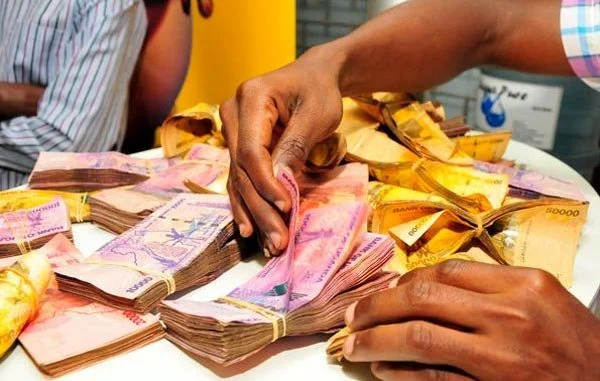
In a dramatic scene reminiscent of a political thriller, tensions flared at Parliament when an Indian moneylender confronted a Member of Parliament from the Forum for Democratic Change (FDC) over a disputed Shs100 million payment.
The confrontation centered on a debt the MP allegedly owed the lender, who claimed full entitlement to the entire cash bonanza. The legislator, who had taken out a loan to cover constituency obligations and international travel, was reportedly expecting reimbursement from Parliament—but the lender arrived demanding immediate payment in full.
Click here to join our WhatsApp Group and Receive Daily News
“This isn’t right,” the MP protested, visibly agitated. “I didn’t borrow the whole amount, and Parliament hasn’t yet refunded my expenses!”
The standoff highlighted a growing issue: several MPs are said to be under similar financial pressure, with many surrendering large portions of their allowances to repay mounting debts.
But this Shs100 million payout has also stirred suspicion. Questions are being raised about the origin of the funds, with some lawmakers privately expressing concern over the motives and mechanisms behind the disbursement.
As Parliament continues to process large financial allocations, there’s growing scrutiny on how MPs manage their personal finances—and whether moneylenders are exerting undue influence over their decisions. With scenes like this unfolding, some say the House might soon resemble a political soap opera more than a legislative chamber.
Perhaps it’s time to introduce stricter rules on MP borrowing and financial disclosures—before the drama off-screen overshadows the debates on the floor.
Also Read: Authorities Launch Investigations as Anthrax Kills Two in Kazo