



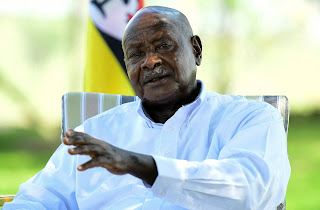
The younger generation in Uganda is making it clear that they are seeking leadership, not paternalistic gestures. The sentiment has emerged strongly in response to president Museveni’s recent handling of anti-corruption protests and his less-than-grandfatherly attitude towards Ugandans.
Museveni who has led Uganda since 1986, is encountering substantial pushback from the nation’s young and adults. This group, which resents being treated like the president’s personal “muzzukulu” (grandchildren), is vocally demanding concrete action against prominent figures involved in corruption and the immediate release of 104 citizens detained during recent anti-corruption protests.
Recently, Museveni, who appears to view the younger generation as his grandsons, lauded the security forces for detaining over 100 protesters who had assembled in Kampala with plans to march to Parliament. His remarks, delivered with a tone of disdain reminiscent of someone dismissing undercooked matoke, accused the demonstrators of being “foreign-funded to disrupt Uganda.”
In response the young people are tired of this portrayal of the president to treat them like grandsons in disguise of disrespecting there protest .
Social media commentator Jacky Kemigisa criticized Museveni for employing the old tactic of feigning a familial connection as a diversion from his own shortcomings. She contended that this strategy was a mere distraction from the president’s failures and accused him of shifting blame onto external forces while neglecting his role in implementing nagging policies that have undermined public welfare services.
Charles Gava, in his commenting word discontented citizen, highlighted that true grandparents do not resort to tactics like tear gas, violence, or imprisonment. Annah Ashaba also voiced her disapproval, emphasizing, “How many times must we tell you that we are not your grandchildren? We reject this infantiliszation.”
The marches organized by the youth, inspired by the anti-tax protests led by Kenyan Genzs, have drawn attention from various quarters. Author Sakwah Ngoma condemned Museveni as an iron-fisted dictator, noting the irony of a leader who initially came to power under the guise of liberating Uganda from military rule now adopting dictatorial measures.
Ugandans are calling for the unconditional release of those arrested during the anti-corruption demonstrations. In his typical paternalistic style.
The charges against the detained protesters largely include being a “common nuisance” and “idle and disorderly,” with comedian Obed Lubega, also known as Reign, facing an additional charge of “attempting to commit hate speech.” Museveni has promised that the “very bad things” supposedly orchestrated by foreign agents will be revealed in court, which promises to be a spectacle.
Museveni’s lengthy tenure has been marked by a combination of military tactics and political maneuvering, with his frequent references to Ugandans as his bazzukulu and himself as Jajja (grandpa).
Despite his extended rule and numerous acknowledgments of the corruption within his administration, his commitment to combating graft appears hollow.
His offer to engage in the fight against corruption, if it were a “patriotic, peaceful demonstration,” seems akin to someone who promises to do the dishes but conveniently forgets.