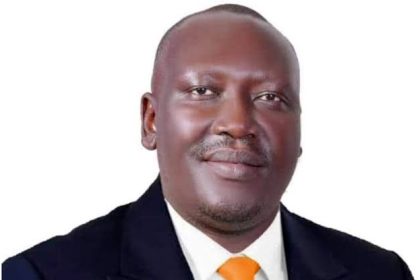






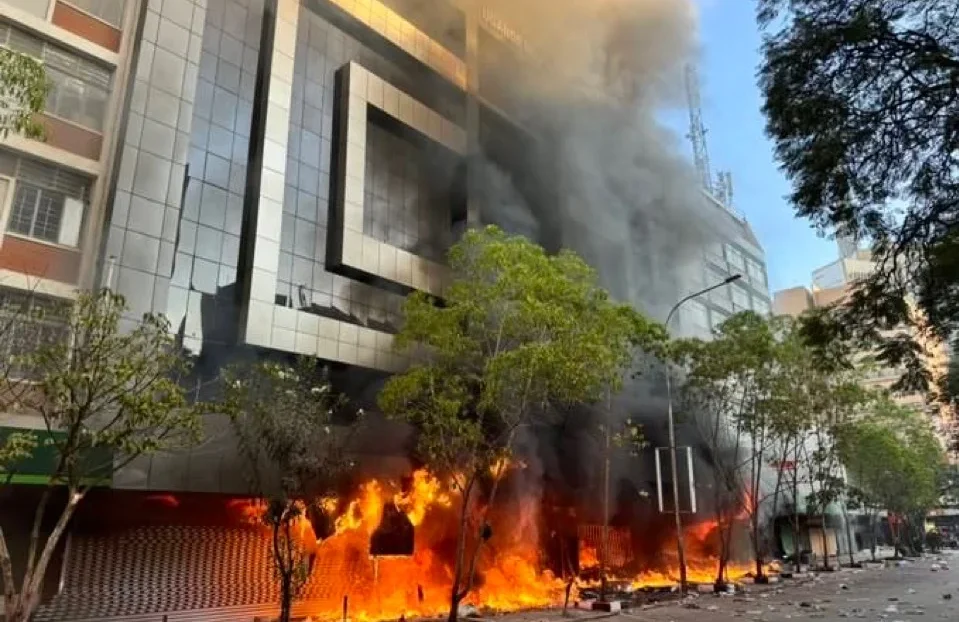
Auditor General Edward Akol has revealed that the devastating fire that destroyed Uganda House in Kenya during the June 2024 protests caused damages worth Shs7.2 billion. The building, which was undergoing renovation at the time, was expected to be handed over to the Ugandan government by June 28, 2024, but the incident has now left the project in disarray.
In his latest audit report, Akol disclosed that the fire, coupled with ongoing delays in repair work, is costing Uganda Shs1.8 billion annually in lost rental income. The building, once fully operational, was anticipated to generate significant revenue for the government, making its restoration a top priority.
Click here to join our WhatsApp Group and Receive Daily News
Akol further stated that a consultant has already completed the restoration assessment, and a detailed proposal for repairs has been forwarded to both the Secretary to the Treasury and the Permanent Secretary of the Ministry of Foreign Affairs. However, the renovation efforts, which had already cost taxpayers Shs24.4 billion before the fire, are now facing further delays, exacerbating the financial burden on the government.
“The destruction of the property has resulted in annual rental losses to the government of Shs1.8 billion,” Akol emphasized, urging swift action to mitigate further financial losses.
The fire occurred during a period of political unrest in Kenya, where widespread protests against proposed tax hikes culminated in a nationwide “total shutdown” in June 2024. The demonstrations turned violent as police deployed tear gas and live rounds to disperse crowds, leading to significant property damage, including the destruction of Uganda House.
The incident has not only delayed the completion of the renovation project but also raised concerns about the safety and security of Ugandan assets abroad. As the government assesses the next steps, stakeholders are calling for expedited action to restore the building and recover the lost revenue.
The destruction of Uganda House underscores the broader economic and political challenges faced by the region, highlighting the need for stronger measures to protect critical infrastructure during periods of civil unrest.
Also Read: Authorities Launch Investigations as Anthrax Kills Two in Kazo