





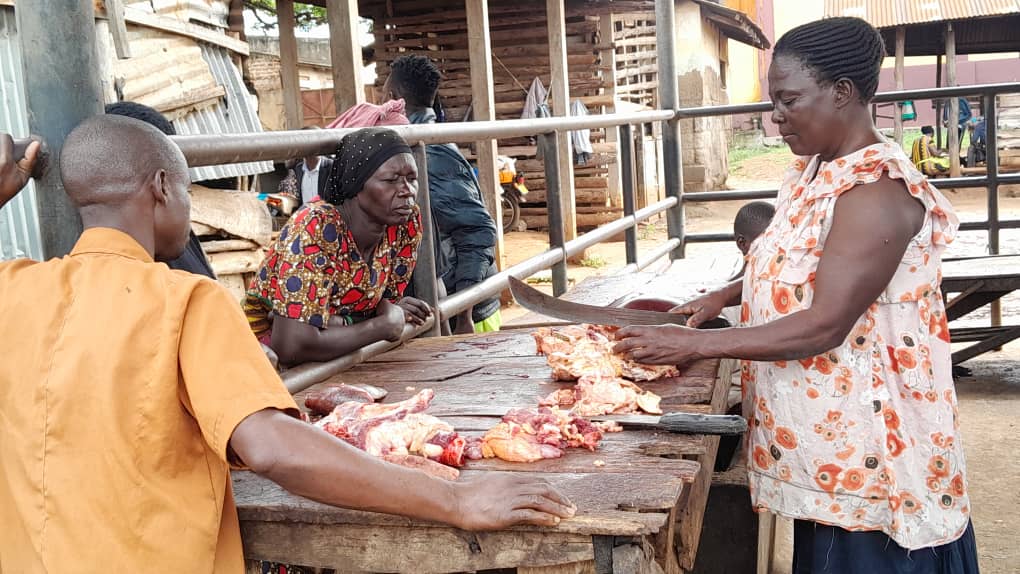
Implications of government policy in Kabale have brought an unintended jerk in the economic structure of the Kabale meat and food industry. Meat prices have raised as butcher operators in Kabale District attribute the hike in beef and goat meat prices to the scarcity of cattle and goats.
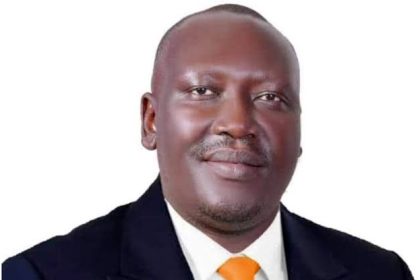
The chairman of the Kabale Main Abattoir, Mr. Nasiima Majugo, at the weekend said the price of beef has risen from Shs12,000 three months ago to Shs15,000, while the price of goat meat and mutton has increased from Shs14,000 to Shs17,000 per kilogram.
Click here to join our WhatsApp Group and Receive Daily News
“The increased price of meat has led to fewer customers as consumers opt for vegetables, beans, groundnuts, and peas. Before the scarcity, we used to slaughter about 14 cows per day and around 26 goats and sheep, but now we slaughter about eight cows and 20 goats and sheep,” he goes on to say.
Mr. Nasiima went on to attribute the shortage to the government’s recent policy prohibiting livestock and crop farming in wetlands.
“Buying and transporting animals from the neighboring Ankole region is expensive, forcing butchers to increase meat prices to cover the incurred costs,” he added.
Mr. Julius Monday, a meat supplier in Kabale Town, said: “The increased demand for animals for slaughter, coupled with low supply, has significantly contributed to the rising meat prices. After the government evicted livestock and crop farmers from wetlands, many sold off their animals, while others opted for zero grazing. A cow that previously cost Shs1 million is now being sold at Shs1.4 million.”
Another butcher operator, Mr. Denis Mugimba, noted that it now takes about two days to sell the meat of a 120 kg cow, whereas, in the past, it would sell within a day before prices increased.
Some hotel operators and vendors selling roasted meat, including George Mugisha, Annet Kobusingye, Grace Mitoni, and Fred Mugwiza, said they were forced to increase food prices to reflect the rising cost of beef. Many customers have switched to consuming beans, groundnuts, and vegetables due to the high cost of meat.
Ms. Annet Kobusingye, a food vendor in Kabale Town, said: “We increased the price of food served with meat from Shs3,000 to Shs5,000 because the cost of meat at butcheries also went up. Some customers, who used to eat meat, have now shifted to beans, groundnuts, and vegetables, saying meat has become too expensive. I am considering removing meat from my menu to avoid losses since customer numbers are declining.”
Last week, while talking in Kabale, President Museveni condemned cattle rearing in wetlands, stressing the need for their preservation.
“I appreciate the establishment of the fishpond you have set up, but I advise you to move your cattle out of the wetland because it is not a suitable environment for livestock. Wetlands are meant for fish farming, not cattle,” Mr Museveni said.
Last year, district authorities began implementing the presidential directive on wetland restoration, encouraging more than 450 former wetland users to invest in zero grazing, apiary, piggery, and poultry. They were also advised to adopt climate-smart technologies, such as constructing check dams and terraces, to protect their crop gardens on hilltops and in valleys for better harvests.
Also Read: Authorities Launch Investigations as Anthrax Kills Two in Kazo