



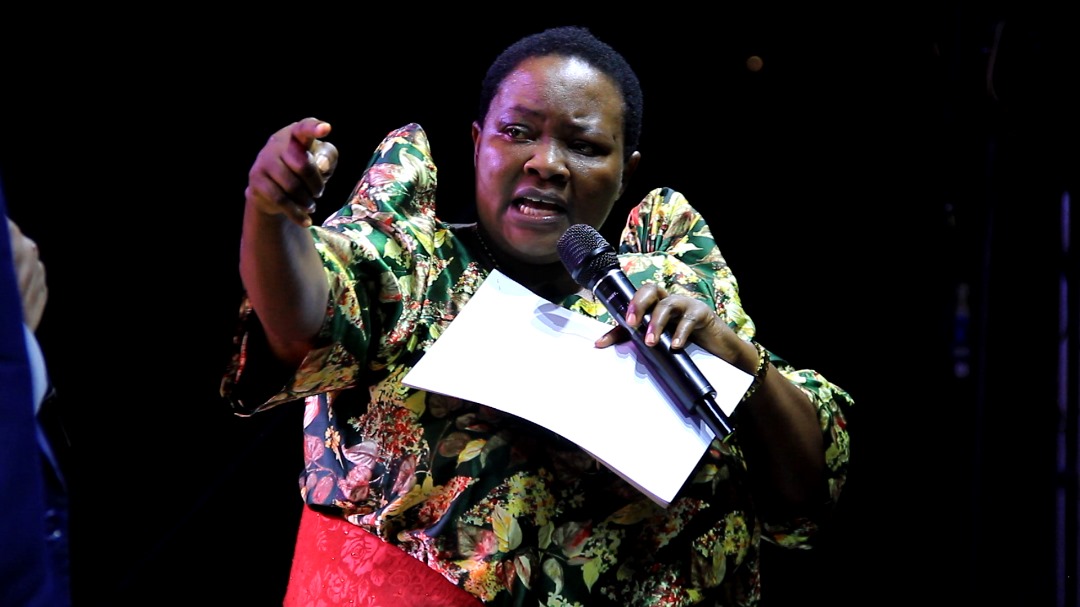
During a recent visit to Lyantonde District, Prime Minister Robinah Nabbanja directed local authorities to arrest headteachers of government schools who send students home for not paying fees. The visit was part of a broader campaign to combat poverty through agriculture, with a focus on coffee farming.
Nabbanja was informed by residents that many children in the district have dropped out of school due to the high fees imposed by government schools, which many parents cannot afford. Expressing frustration and condemnation, she criticized headteachers for extorting money from students and excluding those unable to pay.
“These committees arbitrarily increase fees because they have money and assume everyone else does,” Nabbanja said. “We are losing tomorrow’s leaders by sending learners home for failing to pay school fees and other requirements.”
She emphasized that Universal Primary Education (UPE) and Universal Secondary Education (USE) were implemented to ensure all children have access to education, regardless of their financial background. Drawing from her own experience growing up in a poor family, Nabbanja stressed the importance of education in changing one’s circumstances.
Nabbanja highlighted alarming statistics, revealing that only 37 percent of pupils who start Primary One in public schools in Lyantonde complete primary education. She attributed this high dropout rate to the inability of parents to pay for school requirements.
She then ordered the Resident District Commissioner (RDC), District Police Commander (DPC), and District Education Officer (DEO) to arrest any headteachers who continue this practice. “Our investigations revealed that these dropouts are due to the failure to pay school requirements,” Nabbanja stated. “I am now ordering the RDC, DPC, and DEO to ensure that all government school teachers who chase children home for failing to pay school requirements are arrested.”
However, Lyantonde District Chairperson Fred Muhanji defended the teachers, arguing that the poor conditions of government schools often force parents to contribute additional funds to support teachers’ accommodation and provide food for their children. “Teachers do not have adequate housing, so parents decide to pay a little money to help, and some contribute for food and porridge for their children,” Muhanji explained. He suggested that the government should improve teachers’ living conditions and increase funding for government schools to address these issues.
Last year, Lyantonde was one of the worst-performing districts in the country, with only 19.2 percent of students passing their exams.