
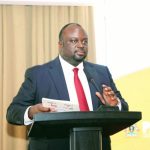


With less than a year remaining before Uganda’s 2026 general elections, specific voices from the diaspora—such as the Uganda Whistle Blowers Association led by Mr. Musa Majoba—are intensifying demands for electoral inclusion. Mr. Majoba, backed by various diaspora communities across continents, is advocating for both the right to vote and formal representation in Parliament, specifically through dedicated seats for Ugandans in the Americas, Europe, Asia, Africa, and Australia.
Citing past efforts, including a 2013 proposal by diplomat Winnie Byanyima to establish a Ministry for Ugandans in the Diaspora, the movement argues that structured government engagement is long overdue. Countries such as South Africa and Zimbabwe have long extended voting rights and parliamentary representation to their citizens abroad—something Uganda has yet to implement.
Click here to join our WhatsApp Group and Receive Daily News
Majoba underscores that diaspora Ugandans are not just contributors of remittances—estimated at $1.42 billion in 2024 by the Bank of Uganda—but are also active stakeholders in Uganda’s development. The remittances support essential services such as education, healthcare, housing, and entrepreneurship, further proving the diaspora’s relevance to national progress.
Despite repeated appeals to the Electoral Commission over the past seven years, the diaspora community has received no formal commitment. The Commission acknowledges the requests but insists that the authority to legislate diaspora voting lies with Parliament. In a 2020 ruling, the High Court of Uganda upheld the constitutional rights of prisoners and diaspora citizens to vote, directing the EC to include them in the 2026 electoral process. However, implementation remains stalled due to legal and logistical gaps.
Justice Simon Byabakama, chair of the EC, reaffirmed the Commission’s readiness to comply once legal frameworks are in place, noting that current laws only support voter registration within Uganda. Meanwhile, Minister of Justice and Constitutional Affairs Nobert Mao has advised patience, suggesting that electoral reforms are underway.
In a broader sense, this renewed activism reflects a growing awareness among diaspora Ugandans of their role in shaping national governance. Their demands signal a shift from passive financial support to active civic participation, driven by a desire for visibility, accountability, and influence in Uganda’s democratic future.
Also Read: Amama Mbabazi’s Daughter Wanted Over Unpaid Shs 450m Loan