


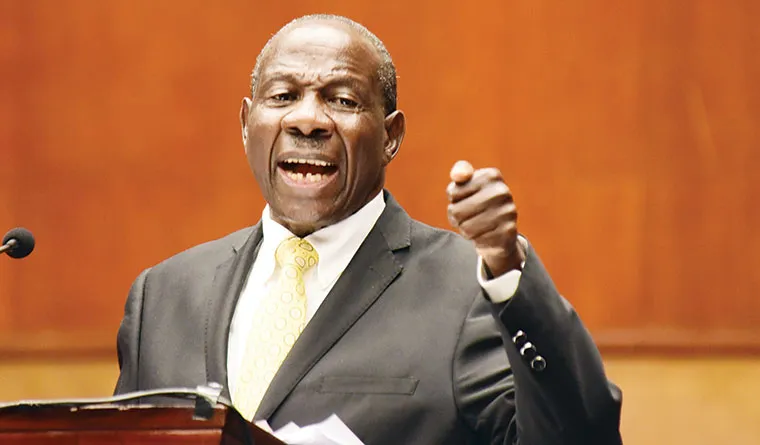
With less than two months left in the 2024/2025 Financial Year, Parliament has approved a government request to borrow up to €500 million (about Shs2.066 trillion) to support the Shs72.1 trillion national budget.
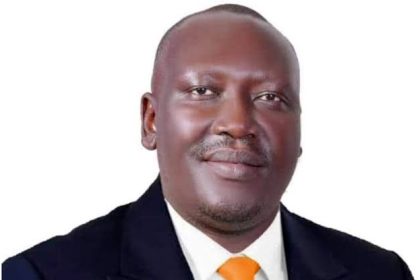
Out of the approved amount, €270 million (Shs1.1 trillion) will be sourced from the African Export-Import Bank (Afreximbank), and the remaining €230 million (Shs950.8 billion) from Ecobank Uganda Limited and the Development Bank of South Africa. The urgent proposal, which was not originally on Parliament’s order paper, was presented by Finance Minister Matia Kasaija, who explained that the funds were required to cover existing budgetary needs.
Kasaija noted that the approved external budget support for this financial year was Shs1.393 trillion. This included Shs39.48 billion in grants and loans totaling Shs1.354 trillion from the World Bank, IMF, and commercial lenders. However, the expected Shs467.84 billion from the IMF will not be disbursed as discussions with the fund are still ongoing. As a result, the government plans to raise this shortfall, along with Shs594.81 billion initially expected from commercial sources, by borrowing from Afreximbank, where Uganda holds shares.
The additional €230 million loan from Ecobank Uganda and the Development Bank of South Africa, according to Kasaija, will cover expenses already approved through three separate supplementary budgets.
Earlier Borrowing Decisions
On January 23, Parliament approved a Shs1.05 trillion supplementary budget, with Shs97.2 billion to be raised domestically and Shs953 billion through borrowing. Another supplementary of Shs1.2 trillion was passed on February 6, fully funded internally. A third one, worth Shs4.2 trillion, was approved on March 12 and was to be funded with Shs223.5 billion from domestic resources, Shs920 billion from external borrowing, and Shs3.1 trillion from internal sources.
Click here to join our WhatsApp Group and Receive Daily News
Kasaija informed Parliament that negotiations for the €500 million had concluded, and both the Cabinet and the President had given their approvals—on May 20 and May 26 respectively.
While acknowledging that the loan would slightly raise Uganda’s debt burden, Kasaija assured MPs that the country’s debt remains within sustainable levels. As of June 2024, Uganda’s total public debt stood at $25.55 billion—up from $23.67 billion the previous year—comprising $14.59 billion in external debt and $10.96 billion in domestic debt. The debt-to-GDP ratio was reported at 46.86%, slightly down from 47.4% in June 2023.
Opposition Raises Concerns
Butambala County MP Muhammad Muwanga Kivumbi (NUP) criticized the timing of the loan request, pointing out that it came at the tail-end of the financial year. He expressed concern over the government’s borrowing practices, noting that some previously borrowed funds—amounting to Shs16 trillion—remain undisbursed, and Shs225 billion sits unused in the Bank of Uganda.
Kivumbi questioned the logic of continually borrowing for recurrent expenditures and accused the Finance Minister of seeking parliamentary endorsement without ensuring the effective use of previously approved funds.
Bukimbiri County MP Eddie Kwizera Wa-Gahungu echoed these concerns, questioning why the Ministry of Finance failed to plan adequately and ended up seeking approval for a commercial loan under pressure.
In response, Kasaija defended the move, stating that the government must keep functioning and needs the money to meet its obligations.
Following deliberations, Parliament agreed to suspend certain procedural rules—on the recommendation of Bukooli North MP Stephen Baka Mugabi—to allow debate on the loan request despite it not appearing on the original order paper.
Also Read: Amama Mbabazi’s Daughter Wanted Over Unpaid Shs 450m Loan