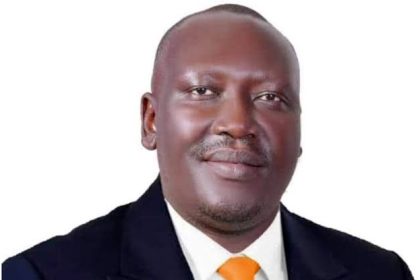



Uganda has granted amnesty to more than 28,000 former fighters over the past 25 years, according to the head of the Uganda Amnesty Commission (UAC).
Justice Peter Onega, who chairs the commission, said 28,340 ex-combatants had been pardoned since the programme was launched in 2000, allowing them to return to civilian life after years of armed conflict.
“This is not just about forgiveness; it is about rebuilding lives and communities shattered by decades of conflict,” he said, describing how many former rebels had reintegrated as farmers, carpenters and small business owners.
Uganda’s Amnesty Act was introduced in 2000 at the height of insurgencies that followed the rise to power of the National Resistance Movement government in 1986. The law offers a blanket pardon to rebels who renounce armed struggle and pledge allegiance to the constitution.
Although initially intended to last six months, the legislation has been repeatedly extended — most recently for a further three years — as armed groups continue to operate in neighbouring countries including the Democratic Republic of the Congo, Sudan and the Central African Republic.
The largest number of beneficiaries have come from the Lord’s Resistance Army (LRA), once led by Joseph Kony, accounting for 13,605 returnees. Others include former members of the West Nile Bank Front (6,580), Uganda National Rescue Front II (3,250) and the Allied Democratic Forces (2,764), as well as more than 2,000 fighters from smaller groups.
The commission says that since its establishment, 24,003 ex-combatants have received resettlement packages such as household items and farming tools, while more than 25,000 have undergone reintegration support, including vocational training.
Justice Onega cited a 2002 dialogue process that led to the demobilization of 2,500 Uganda National Rescue Front II fighters in the West Nile region as one of the programme’s notable successes.
Click here to join our WhatsApp Group and Receive Daily News
Six regional offices across the country coordinate outreach and receive defectors. Former fighters within Uganda who are not facing criminal charges may report to local leaders, security forces or religious authorities, while those outside the country can approach Ugandan diplomatic missions.
Despite the milestone, challenges remain. The commission says more than 3,000 former combatants are still awaiting reintegration assistance, and over 4,000 are yet to receive resettlement support. Stigma, particularly against women and formerly abducted children, continues to hinder community acceptance, while many returnees face lasting physical and psychological trauma.
Armed elements of the LRA and ADF remain active beyond Uganda’s borders. Justice Onega urged those still in rebellion to lay down their arms and return home, saying channels exist to facilitate their surrender.
The amnesty policy has not been without controversy. Critics argue that blanket pardons risk undermining accountability for serious crimes, while supporters say the approach has encouraged defections and reduced violence.
A temporary lapse in amnesty coverage for LRA fighters in 2012 raised concerns that surrenders could decline, before the law was reinstated the following year.
Analysts say the long-running programme is often cited as a pragmatic peace-building model in Africa, though questions persist about how to balance reconciliation with justice for victims.
With more than 28,000 former fighters formally pardoned, the initiative remains one of the continent’s most extensive reintegration efforts. Its future, observers say, will depend on sustained funding, regional cooperation and continued debate over accountability and reconciliation.
Also Read: Amama Mbabazi’s Daughter Wanted Over Unpaid Shs 450m Loan