

The government has requested parliament to allocate at least Shs 1.205 trillion to either acquire or support private companies in which it has limited or unclear shareholding.
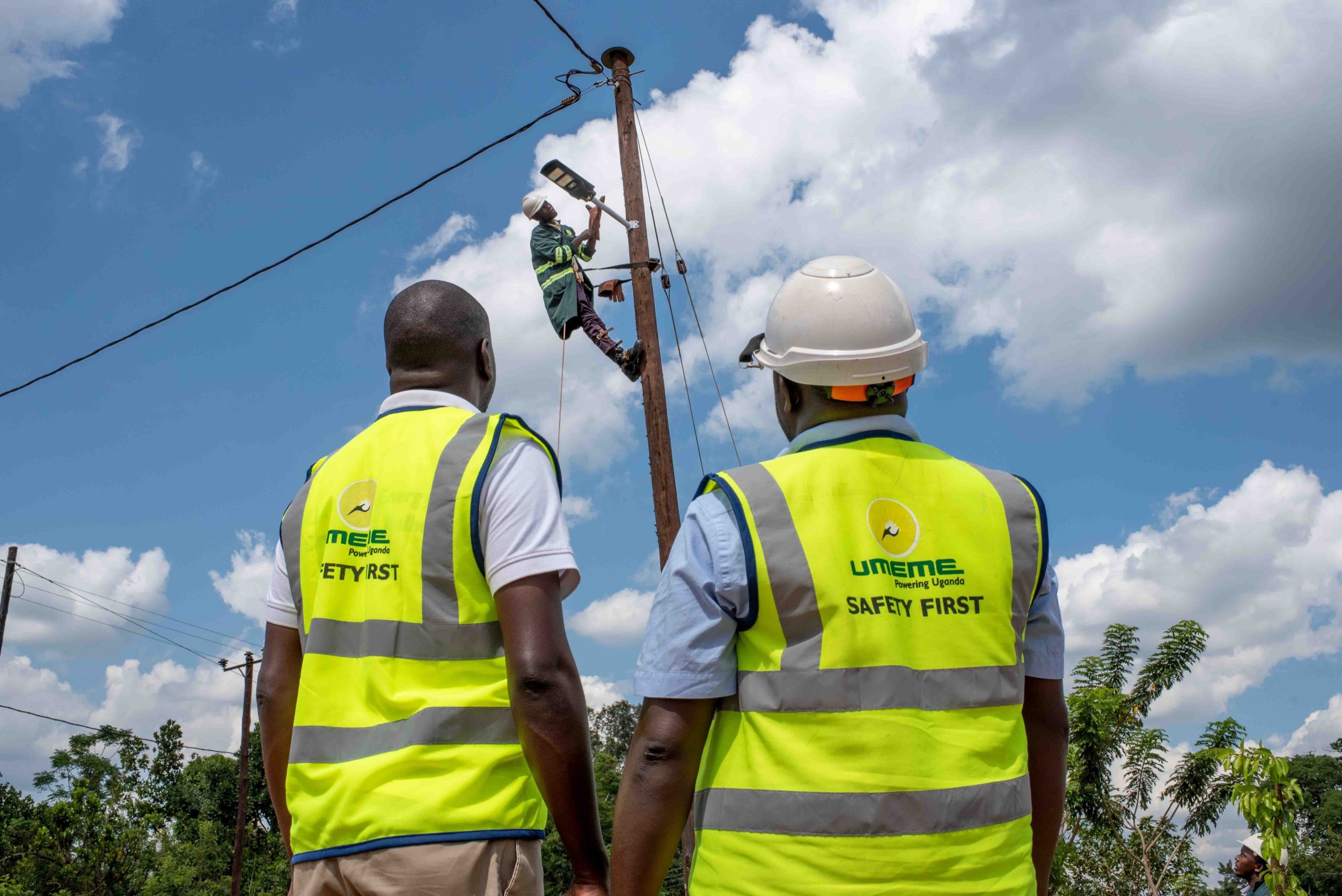
Last week, parliament reviewed a Shs 4.255 trillion supplementary budget, with Shs 1.205 trillion earmarked for private companies. The largest beneficiary is Umeme, the power distribution company, which received Shs 725.42 billion as a buyout after its contract with the government ended and was not renewed.
Since 2004, Umeme had managed power distribution following the breakup of the Uganda Electricity Board (UEB), which resulted in the creation of three other entities: Uganda Electricity Transmission Company Limited, Uganda Electricity Distribution Company Limited, and Uganda Electricity Generation Company Ltd.
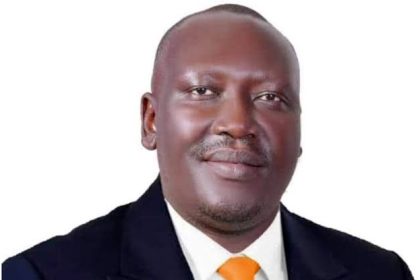
Most MPs on the budget committee approved the expenditure without objection. However, the shadow finance minister and Kira Municipality MP, Ibrahim Ssemujju Nganda, opposed it in a minority report, questioning why the government was allocating such a large sum to buy out Umeme when similar companies had not received buyouts in the past.
Click here to join our WhatsApp Group and Receive Daily News
Energy Minister Ruth Nankabirwa explained that Umeme initially demanded $225 million (Shs 832.5 billion), but an audit reduced the amount to $190.9 million (Shs 725 billion). In contrast, when Eskom’s concession ended, no buyout was made, similar to Jacobsen Elektro’s case.
In 2022, Uganda Electricity Generation Company Limited (UEGCL) took over the 50MW Namanve thermal plant from Jacobsen after 15 years. The supplementary budget also included Shs 298 billion for Lubowa Specialized Hospital, owned by Italian investor Enrica Pinetti.
Despite past parliamentary restrictions on accessing the construction site, most MPs approved the Lubowa Hospital funding. In his minority report, Ssemujju argued that it was unjustifiable to continue funding a project the government could not even monitor. He cited an auditor general’s report indicating that engineers overseeing the project faced restricted access, raising concerns about financial mismanagement. Ssemujju recommended halting funding until a special audit was completed.
The supplementary budget also allocated Shs 115 billion to Atiak Sugar Factory, owned by Somali-born investor Amina Moghe Hersi. The report noted that the factory had struggled with planting shortages, frequent fires, inadequate infrastructure, labor shortages, and high raw material costs.
With this new allocation, government investment in Atiak Sugar now totals Shs 668.710 billion. Ssemujju questioned why, despite investing such a substantial amount compared to Hersi’s Shs 125 billion, the government only held a 40% stake.
“Only a madman would keep investing in this manner. We are being deceived. This is the same pattern that led to issues with Umeme,” he remarked.
The budget also allocated Shs 67 billion to the Ntungamo Coffee Factory, owned by businessman Nelson Tugume. The funds will support certification, working capital for coffee purchases, operational costs, marketing, branding, and the installation of a power line. With this, government funding for the factory—also known as Inspire Africa Coffee Park—has reached Shs 179 billion.
Other Allocations
- State House: Received an additional Shs 367 billion, raising its total budget to Shs 1.053 trillion. Parliament had initially approved Shs 452.2 billion, followed by a January request for Shs 234.75 billion. Most of the funds are classified, prompting Ssemujju to question their purpose.
- Ministry of Defence and Veterans Affairs: Received Shs 186 billion in classified expenditure.
- Ministry of Internal Affairs: Allocated Shs 18.4 billion to accommodate an increasing prison population.
- Ministry of Works and Transport: Granted Shs 61 billion for compensation.
- Treasury Operations: Allocated Shs 380 billion.
- Police Operations: Received Shs 190 billion.
Ssemujju criticized the growing trend of classified expenditures, particularly in State House, which now accounts for Shs 600 billion (57% of its budget). He called for a parliamentary committee to question the president and first lady about these expenses.
Also Read: Authorities Launch Investigations as Anthrax Kills Two in Kazo