






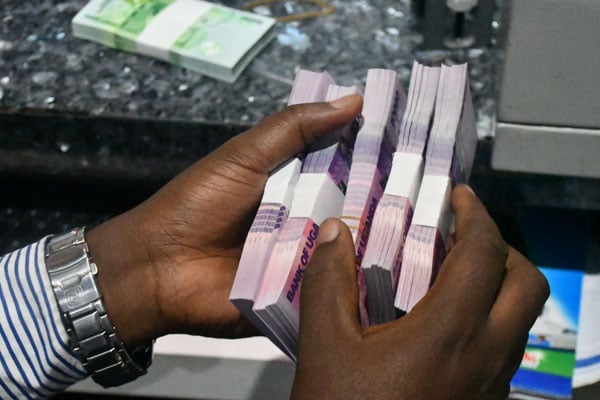
In its Quarterly Bulletin, the Ministry of Finance, Planning, and Economic Development revealed that Uganda’s domestic debt rose from Shs40.633 trillion in June 2024 to Shs42.980 trillion in September 2024.
“This marks a 5% increase, up from the 2.9% recorded in the previous period. The growth in debt stock is attributed to heightened financing requirements during the reviewed period,” the Ministry stated in its Quarterly Debt Statistical Bulletin and Public Debt Portfolio Analysis for September 2024, released on January 23, 2025.
The report also noted that while both Treasury bills (T-bills) and Treasury bonds (T-bonds) contributed to the increase in total debt, the proportion of T-bills rose by 1.2%, from 14.8% to 16%, leading to a slight decrease in the share of T-bonds from 85.2% to 84.2%.
The domestic debt stock has been on a steady rise. During the review period, the government issued securities (T-bills and T-bonds) worth Shs5.816 trillion, a significant increase from the Shs3.269 trillion issued between March and June 2024.
“The increase in issuances was driven by higher financing needs to accelerate budget implementation for FY 2024/25. Of the total issuances, Shs2.654 trillion (45%) was in T-bills, while Shs3.163 trillion (54%) was issued in T-bonds,” the report highlighted.
Rising Domestic Debt Servicing
The Ministry also reported a rise in domestic debt servicing costs, which increased from Shs3.450 trillion in June 2024 to Shs5.013 trillion in September 2024—an increase of Shs1.562 trillion.
“All components of debt servicing—discount, coupon, and redemption payments—recorded increases during the review period. This rise is attributed to the continued growth of the net domestic financing target over the years,” the ministry explained.
Commitment to Debt Sustainability
Mr. Ramathan Ggoobi, Permanent Secretary and Secretary to the Treasury, reaffirmed the government’s dedication to maintaining debt sustainability.
“Managing government debt and ensuring it remains at sustainable levels is a top priority. This bulletin provides vital insights for policymakers, investors, development partners, and citizens, enhancing understanding of Uganda’s fiscal position and economic outlook,” he said.
He added, “As we navigate the complexities of a dynamic global financial environment, the government remains committed to fiscal discipline, economic resilience, and the strategic use of public resources. Efforts to improve the quality and accessibility of fiscal reports will continue to build stakeholder confidence and advance the development agenda under Vision 2040.”