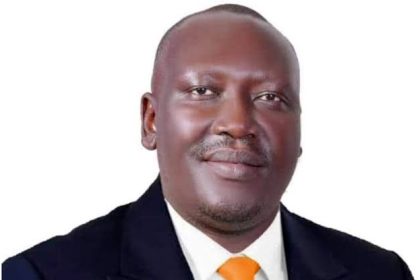







The Ugandan Embassy in the United Arab Emirates (UAE) has denied that a man identified in a recent BBC investigation into sex trafficking is Ugandan, despite being portrayed as one in the exposé.
Uganda’s Ambassador to the UAE, Mr Zaake W. Kibedi, said the individual named as Abby Mwesigwa in the BBC report holds no legitimate ties to Uganda.
“The man is not Ugandan. He only used Ugandan names,” Mr Kibedi told the Daily Monitor. “The UAE authorities have since arrested him, and discussions are underway regarding his deportation to his country of origin.”
The ambassador declined to reveal the suspect’s actual nationality but confirmed that the embassy had verified his documents in collaboration with the UAE Ministry of Foreign Affairs.
“Our investigation was thorough. We traced the documents and confirmed they were falsified. He used Ugandan names, but he is not a Ugandan national,” he said.
BBC Investigation
The BBC documentary, aired in September, uncovered an alleged human trafficking ring moving women from Uganda to the UAE under the guise of domestic job offers. Many of the victims reported being coerced into prostitution and other forms of exploitation upon arrival in Dubai.
The programme identified “Abby Mwesigwa” as a key figure in the trafficking network, reportedly overseeing the recruitment and transportation of women from Uganda to the Gulf nation.
The exposé sparked outrage and calls for accountability from both Ugandan and Emirati authorities. However, following its own inquiries, the Ugandan embassy said evidence showed the man’s Ugandan identity had been fabricated.
Migrant Concerns in UAE
According to embassy data, around 16,000 Ugandans currently live in the UAE, with an estimated 8,000 residing illegally — many believed to be victims of trafficking or individuals who overstayed after entering on tourist visas.
“Those here illegally are often the trafficked individuals facing serious challenges,” Ambassador Kibedi said. “They are easier to trace because most live outside the legal system.”
Last year, the Ugandan embassy negotiated a temporary amnesty with UAE authorities to allow undocumented Ugandans to return home without paying overstaying fines. The three-month arrangement, from August to October 2024, saw around 1,200 people return, with another 600 taking advantage of a later extension.
Under UAE law, overstayers face fines of about Shs200,000 on the first day and Shs100,000 for each subsequent day — penalties that make regularisation difficult for many.
“We continue to urge our citizens in hiding to come forward so we can help facilitate their safe return,” the ambassador said.
Warning Against Illegal Recruitment
Mr Kibedi cautioned Ugandans against using unregistered recruitment agencies or travelling on tourist visas to seek employment in the Middle East.
“Those who go through the right process are protected,” he noted. “Legal domestic workers in the UAE are entitled to a minimum monthly salary of about Shs2 million, an eight-hour workday, one day off weekly, 30 days of annual leave, and full health insurance and accommodation.”
Government Action
Uganda’s Ministry of Gender, Labour and Social Development has repeatedly warned of increasing cases of fake labour networks exploiting jobseekers. Officials say efforts are underway to review bilateral labour agreements with Middle Eastern countries to improve oversight and worker protection.
Uganda has more than 140 licensed labour recruitment agencies, most operating in the UAE, Saudi Arabia, and Qatar. However, unregistered agents continue to lure young women — especially from rural communities — into exploitative conditions abroad.
“The UAE government remains open to cooperation,” Ambassador Kibedi said. “Our doors are open to those who want to return home, and we will continue working with the authorities to ensure their safety.”