





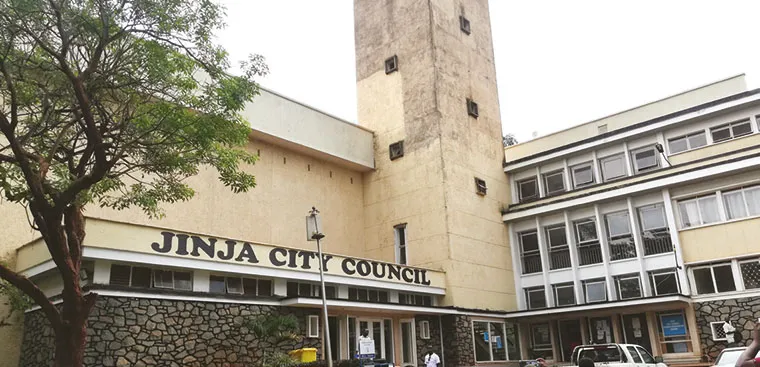
Health authorities in Jinja District have confirmed an outbreak of bilharzia on the islands of Kisima I and Kisima II in Jinja City after laboratory tests revealed a significant number of infections among residents.
The two islands are located on Lake Victoria near the boundary between Jinja and Buikwe districts.
The outbreak was identified following a surveillance exercise conducted last week, during which health officials collected 50 samples from residents who attended a series of community health awareness meetings.
According to district health officials, many residents had reported symptoms associated with bilharzia, including fever, headaches, muscle aches, fatigue and blood in stool.
Laboratory results showed that 30 of the 50 samples tested positive for the disease, prompting authorities to officially declare an outbreak.
Jinja District Health Officer Dr Frederick Isabirye attributed the spread of the disease to poor sanitation practices on the islands.
He said many residents relieve themselves along the lakeshore while also using the same water for domestic activities such as bathing, cooking and washing.
Dr Isabirye warned that the parasites responsible for bilharzia can enter the body through the skin and may cause severe health complications if left untreated.
He noted that previous sensitisation campaigns had encouraged residents to adopt preventive measures, but adherence had remained limited.
“We have also promoted routine deworming through local council leaders and village health teams, but the uptake has not been encouraging,” Isabirye said.
In response to the outbreak, Jinja City health authorities have requested additional bilharzia treatment drugs from the National Medical Stores through the Ministry of Health.
Click here to join our WhatsApp Group and Receive Daily News
The medicines are expected to arrive early next month.
Officials say a mass treatment campaign will be launched to contain the outbreak.
“We are going in for mass drug administration as a means of managing bilharzia in Kisima, and our humble request is that all community members embrace the health workers spearheading this campaign because this treatment is meant to help them live disease-free lives,” he said.
Some residents believe misconceptions and cultural beliefs have contributed to low participation in treatment and prevention programmes.
Esther Namuddi, a resident of Kisima, said some people mistakenly associate advanced symptoms of bilharzia, such as swollen stomachs, with witchcraft.
As a result, some affected residents seek assistance from traditional healers rather than medical facilities.
Namuddi urged health authorities to involve cultural and traditional leaders in future awareness campaigns to help counter misinformation.
Another resident, Olga Achieng, said language barriers were also affecting public health messaging.
She explained that many awareness materials are produced in English and Lusoga, yet a large section of the island population primarily speaks Kiswahili and other languages.
Achieng called for health information to be translated into Kiswahili to improve accessibility and understanding among residents.
She also appealed for regular awareness campaigns through community radio stations, noting that the islands receive frequent movement of people from different areas.
According to residents, sustained public education will be key to controlling the outbreak and reducing future infections on the islands.
Also Read: Amama Mbabazi’s Daughter Wanted Over Unpaid Shs 450m Loan