






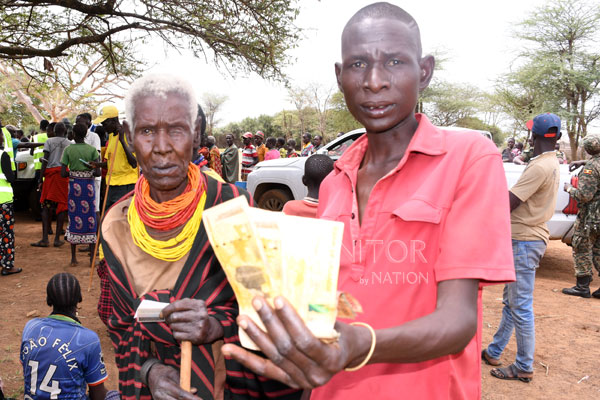
Uganda has been added to a growing list of global hunger hotspots, with the Food and Agriculture Organization (FAO) and the World Food Programme (WFP) warning that millions of people in vulnerable regions face worsening food insecurity.
In their latest joint report covering December 2026 to May 2027, the agencies identified Sudan, South Sudan, Somalia, northern Nigeria and Yemen as areas facing the most severe hunger threats. The crises are being driven by armed conflict, displacement, economic difficulties and extreme weather conditions.
Click here to join our WhatsApp Group and Receive Daily News
The number of hunger hotspots has increased from 13 identified in the previous report released in June. Chad, Uganda, parts of southern Africa and Central America have since been added, while Lebanon was removed from the list.
The agencies warned that declining humanitarian funding is weakening efforts to prevent further deterioration in food security.
Conor Elliott, a senior official in FAO’s Emergencies and Resilience Office, said assistance to the five countries facing the gravest hunger risks had declined by about two-thirds between 2022 and 2025.
He described the reduction as a major shift in international support and warned that funding cuts were also affecting the collection of data needed to assess the extent of humanitarian needs.
El Niño raises fresh concerns
The report identified armed conflict and violence as key drivers of hunger in 12 of the 16 hotspots. Rising costs of food, energy and transportation are also making it increasingly difficult for vulnerable households to afford basic necessities.
The agencies cautioned that the developing El Niño weather pattern could worsen the situation, potentially triggering drought and extreme temperatures in southern Africa and parts of Central America, while increasing the risk of destructive flooding in sections of eastern Africa.
Elliott warned that the weather phenomenon could have a particularly severe impact, with some areas potentially shifting from prolonged dry conditions to heavy rainfall in the coming months.
In Sudan, the agencies warned of possible famine in 13 areas of North Darfur and South Kordofan through January 2027. Continued fighting has disrupted agricultural production, markets and the delivery of humanitarian assistance.
Famine risks were also highlighted among displaced communities in Somalia’s Baidoa region and parts of South Sudan, where escalating violence has worsened an already critical humanitarian situation.
Afghanistan, Haiti, the Democratic Republic of Congo and the Palestinian territory of Gaza were also classified as areas of very high concern.
Gaza, however, was downgraded from the highest level of concern following improvements in food security after the October 2025 ceasefire.
Despite the improvement, FAO and WFP cautioned that conditions in the territory remain severe and fragile.
Also Read: Otafiire calls digital number plate system “useless” as Katumba defends project