



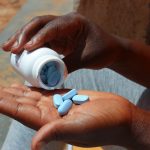



Young women account for more than three-quarters of new HIV infections among young people in Uganda, highlighting the disproportionate impact of the epidemic on adolescent girls and young women.
Data released by the Uganda AIDS Commission (UAC) indicates that the country recorded 34,000 new HIV infections in 2025. People aged between 15 and 24 years contributed 38 per cent of the new cases, with young women accounting for 77 per cent of infections in this age group.
The figures were unveiled during a press briefing held at the Uganda Media Centre in Kampala on Tuesday.
The Commission estimates that approximately 1.5 million Ugandans aged 15 years and above are living with HIV, representing a national prevalence rate of 5.9 per cent. Including children aged below 15, the total number of people living with the virus rises to about 1.57 million.
Despite the continued burden, UAC says Uganda has registered considerable progress in the fight against HIV since 2010. New infections have fallen by 64 per cent, while AIDS-related deaths have reduced by 66 per cent to 19,000. Mother-to-child transmission has also declined by 78 per cent, with an estimated 4,400 infections recorded.
The country has also made progress in expanding access to HIV treatment. Among adults living with the virus, 85.3 per cent are aware of their status. Of those diagnosed, 99.1 per cent are receiving treatment, while 96.5 per cent of people on treatment have achieved viral suppression.
Click here to join our WhatsApp Group and Receive Daily News
However, the Commission cautions that HIV continues to affect some groups more heavily, particularly women, young people, urban communities and key populations such as sex workers, fisherfolk and truck drivers.
It has identified several factors that continue to fuel infections, including multiple sexual partnerships, limited condom use during high-risk sexual encounters and increasing cases of sexual violence.
Regional statistics show that Fort Portal City has the highest HIV prevalence at 16.7 per cent, followed by Kalangala District at 12.1 per cent and Kabarole District at 10.7 per cent. South Western Uganda has the highest regional prevalence at eight per cent, while Karamoja records the lowest at 1.3 per cent.
Children remain another area of concern in the national HIV response. According to UAC, only 71 per cent of children living with HIV have been diagnosed. Among those receiving treatment, 88 per cent have achieved viral suppression, compared with 96.5 per cent among adults.
The Commission says some of the gaps arise when mothers acquire HIV or discontinue treatment during pregnancy and breastfeeding, increasing the risk of transmitting the virus to their children.
UAC has warned that Uganda could fail to meet its 2030 targets unless new infections and AIDS-related deaths are reduced substantially. The country aims to cut both by 90 per cent by the end of the decade.
The Commission’s Board Chairperson, Canon Dr Ruth Senyonyi, said the persistent challenges would be among the key issues discussed at the 2026 National HIV and AIDS Symposium, which she officially launched during Tuesday’s briefing.
The three-day meeting is scheduled for November 16 to 18 at the Pharmacology Grounds of Mbarara University of Science and Technology (MUST). The university is co-hosting the symposium for the second year running under the theme, “Sustainable Interventions to End AIDS as a Public Health Threat by 2030.”
Senyonyi said Uganda had made significant strides since the early days when HIV was widely associated with witchcraft and bad luck. However, she noted that continued infections among adolescent girls and young women demonstrated that major challenges remained.
She said the symposium would bring together researchers, students and HIV programme implementers to assess the reasons behind the country’s difficulty in meeting some of its HIV response targets.
With external donor support declining, the meeting is also expected to explore ways of securing sustainable funding for HIV programmes.
Senyonyi said Uganda had continued providing essential HIV services despite disruptions to external financing, largely because of strong government leadership. She added that the Commission had developed a roadmap to support the transition from dependence on donor funding towards greater domestic financing.
The symposium will also provide an opportunity to discuss scientific efforts to develop an HIV cure. Senyonyi said finding a cure remained important because lifelong treatment presents challenges for people living with the virus. She emphasised that discussions should consider the social and ethical dimensions of a cure alongside scientific progress.
Organisers expect more than 120 research abstracts to be presented during the event.
The programme will also include the commemoration of Philly Lutaaya Memorial Day, which honours the late musician and other pioneers who challenged HIV-related stigma by publicly disclosing their status and encouraging others to seek help.
Members of the public interested in attending can register for either physical or online participation through nhas.uac.go.ug.
Also Read: NRM’s James Leku wins Adjumani West by-election